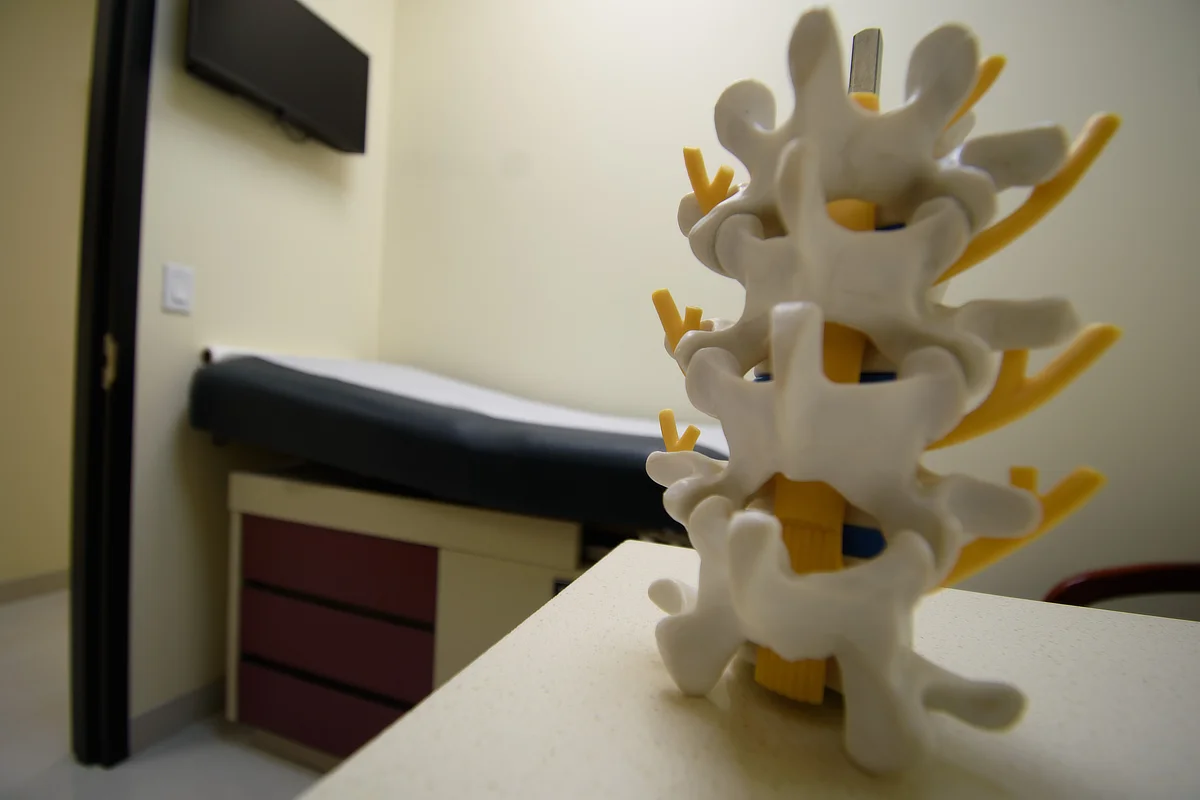
Spinal Cord Stimulation
Minimally Invasive Spinal Cord Pain Therapy
Spinal Cord Stimulation (SCS) is a minimally invasive treatment that uses gentle electrical impulses to interrupt pain signals before they reach the brain. This therapy is often used to manage chronic back or leg pain that has not responded to other treatments. At iMsk & Spine Group, percutaneous lead placement allows patients to receive stimulation through a small procedure without major surgery.
What Is Spinal Cord Stimulation?
Spinal Cord Stimulation delivers mild electrical signals to the spinal cord, helping reduce nerve-related pain. Leads are placed through a needle and connected to a small device that controls stimulation. Because this method does not require large incisions, recovery is typically smoother and faster than traditional surgery.
Why It Helps
Chronic nerve pain can continue even when other treatments haven’t provided enough relief. Spinal stimulation helps block pain signals and reduces the intensity of pain felt in the back, legs, or feet. Many patients benefit from reduced discomfort and improved mobility with fewer medications.
Conditions It Helps Treat
Spinal Cord Stimulation may be recommended for:
- Chronic lower back pain
- Leg pain related to nerve irritation
- Post-surgical pain
- Failed back surgery syndrome (post-laminectomy syndrome)
- Radicular pain
How the Procedure Works
Percutaneous lead placement is a minimally invasive option requiring only small needle entry points.
A typical session includes:
- Local anesthesia
- Image guidance
- Lead placement into the epidural space
- Trial stimulation
- Ongoing monitoring
Patients often undergo a short trial period to confirm benefit before moving to a longer-term system.
SI Joint Injection FAQ
How long does relief last?
Relief may be temporary or long-lasting depending on the cause of inflammation.
Is this a surgical procedure?
No—it is a minimally invasive injection performed through a small needle.
Can this help diagnose SI joint pain?
Yes—the injection often confirms whether the SI joint is the source of discomfort.
Will I need more than one treatment?
Some patients benefit from additional injections or complementary therapies if symptoms return.
Is it safe?
When performed by trained specialists with imaging guidance, SI joint injections are considered very safe.