




Plantar Fasciitis
Relief for Heel Pain & Morning Foot Stiffness
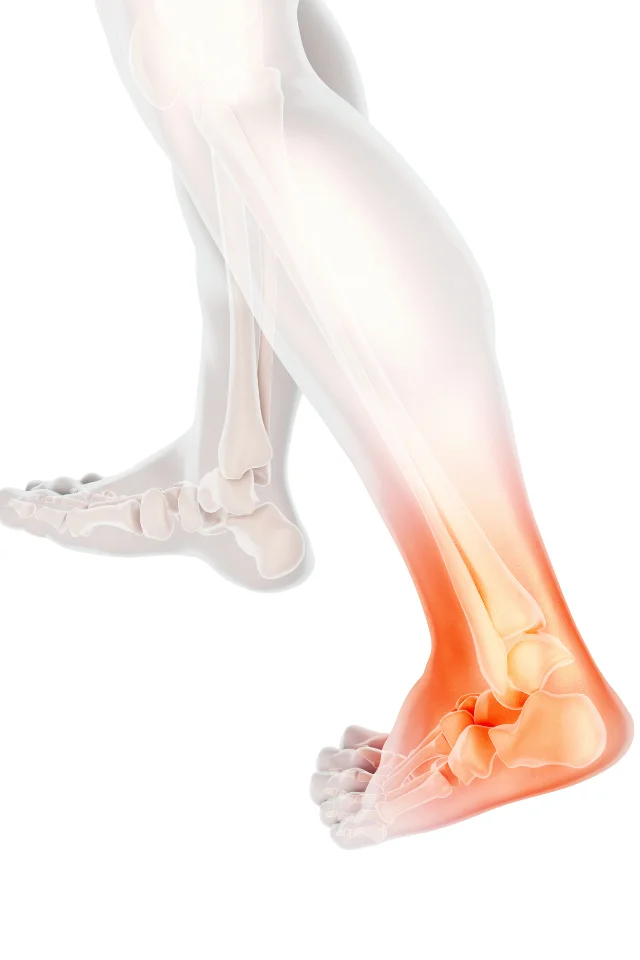
Plantar Fasciitis is one of the most common causes of heel pain, especially among athletes, runners, and individuals who spend long hours on their feet. It occurs when the plantar fascia — the thick, fibrous band of tissue running along the sole of the foot — becomes irritated or inflamed. At iMsk & Spine Group, we understand how debilitating morning heel pain can be. Our team provides warm, individualized care to reduce inflammation, restore comfort, and help you move with confidence again.
What Is Plantar Fasciitis?
The plantar fascia is a strong ligament-like structure that supports the arch of the foot and absorbs shock during walking and running. When this tissue becomes overstressed or inflamed, it leads to Plantar Fasciitis.
This condition commonly causes:
- Intense heel pain
- Pain with first steps in the morning
- Increased discomfort after long periods of standing or activity
It is one of the most frequent sports-related foot injuries but also occurs in non-athletes.
Common Causes of Plantar Fasciitis
Overuse & Stress
- Running or jogging
- High-impact sports
- Prolonged standing or walking
Structural Factors
- Flat feet
- High arches
- Tight calf muscles
- Improper foot mechanics
Lifestyle & Footwear Factors
- Worn-out shoes
- Hard or uneven surfaces
- Sudden increase in activity levels
Other Contributing Factors
- Excess body weight
- Occupations requiring long hours on feet
Symptoms of Plantar Fasciitis
Characteristic Heel Pain
- Sharp, stabbing heel pain with first morning steps
- Pain after sitting or resting for long periods
- Pain that improves slightly with movement but worsens after prolonged activity
Location of Pain
- Bottom of the heel
- Arch of the foot
- Occasionally radiating forward into the mid-foot
Tightness & Stiffness
- Tight calf or Achilles tendon
- Stiffness in the heel or arch
Symptoms often develop gradually and may become chronic without appropriate care.
How We Treat Plantar Fasciitis at iMsk & Spine Group
Our goal is to reduce inflammation, relieve heel pain, and restore healthy foot mechanics.
1. Conservative Treatments
- Anti-inflammatory medications
- Ice therapy
- Rest and activity modification
- Appropriate footwear recommendations
2. Physical Therapy
- Stretching of the plantar fascia and calf muscles
- Strengthening of the foot and ankle
- Manual therapy techniques
- Gait analysis and correction
3. Orthotics & Supportive Devices
- Custom orthotics to support arch alignment
- Heel cups or cushioned inserts
- Night splints to gently stretch the fascia during sleep
4. Interventional Treatments
- Corticosteroid injections for stubborn inflammation
- Ultrasound-guided procedures for precision
- Advanced therapies when needed
5. Long-Term Prevention
- Gradual increase in activity levels
- Consistent stretching routine
- Supportive footwear
- Home exercise programs
Most patients improve significantly with consistent treatment and lifestyle adjustments.
Plantar Fasciitis FAQ
Why is the pain worst in the morning?
Does Plantar Fasciitis go away on its own?
Are orthotics necessary?
Can I continue to exercise?
What happens if Plantar Fasciitis becomes chronic?
How long does recovery take?