




CRPS & RSD
Expert Treatment for Chronic Pain After Injury or Surgery
What Is CRPS (Complex Regional Pain Syndrome)?
CRPS is a complex disorder of the nervous system where the body responds abnormally to injury. Instead of healing normally, the affected nerves become highly sensitive, sending intense and often disproportionate pain signals.
CRPS can cause a combination of:
- Nerve dysfunction
- Abnormal inflammation
- Circulation changes
- Skin and hair changes
- Muscle and bone effects
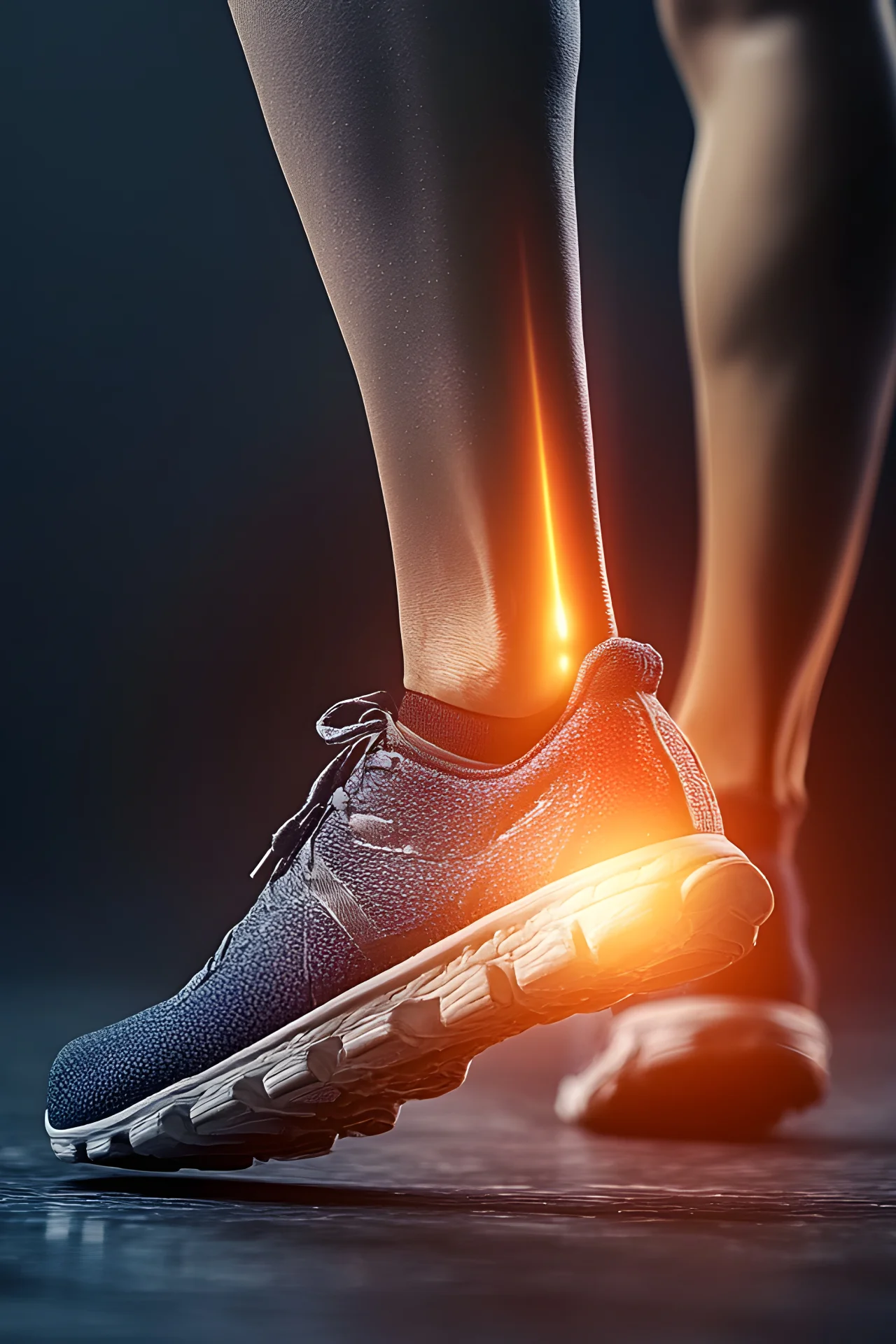
The condition may follow even minor injuries, sprains, or fractures — making it particularly relevant in both sports medicine and trauma care.
Common Causes of CRPS/RSD
CRPS often develops after injury, including:
Traumatic Causes
- Sprains and strains
- Fractures
- Crush injuries
- Dislocations
- Sports-related impact injuries
Post-Surgical Causes
- Joint surgeries (knee, ankle, shoulder, wrist)
- Nerve decompression procedures
- Orthopedic repairs
Other Causes
- Infections
- Immobilization (casting)
- No identifiable cause (idiopathic CRPS)
Early recognition after trauma is crucial for best outcomes.
Symptoms of CRPS/RSD
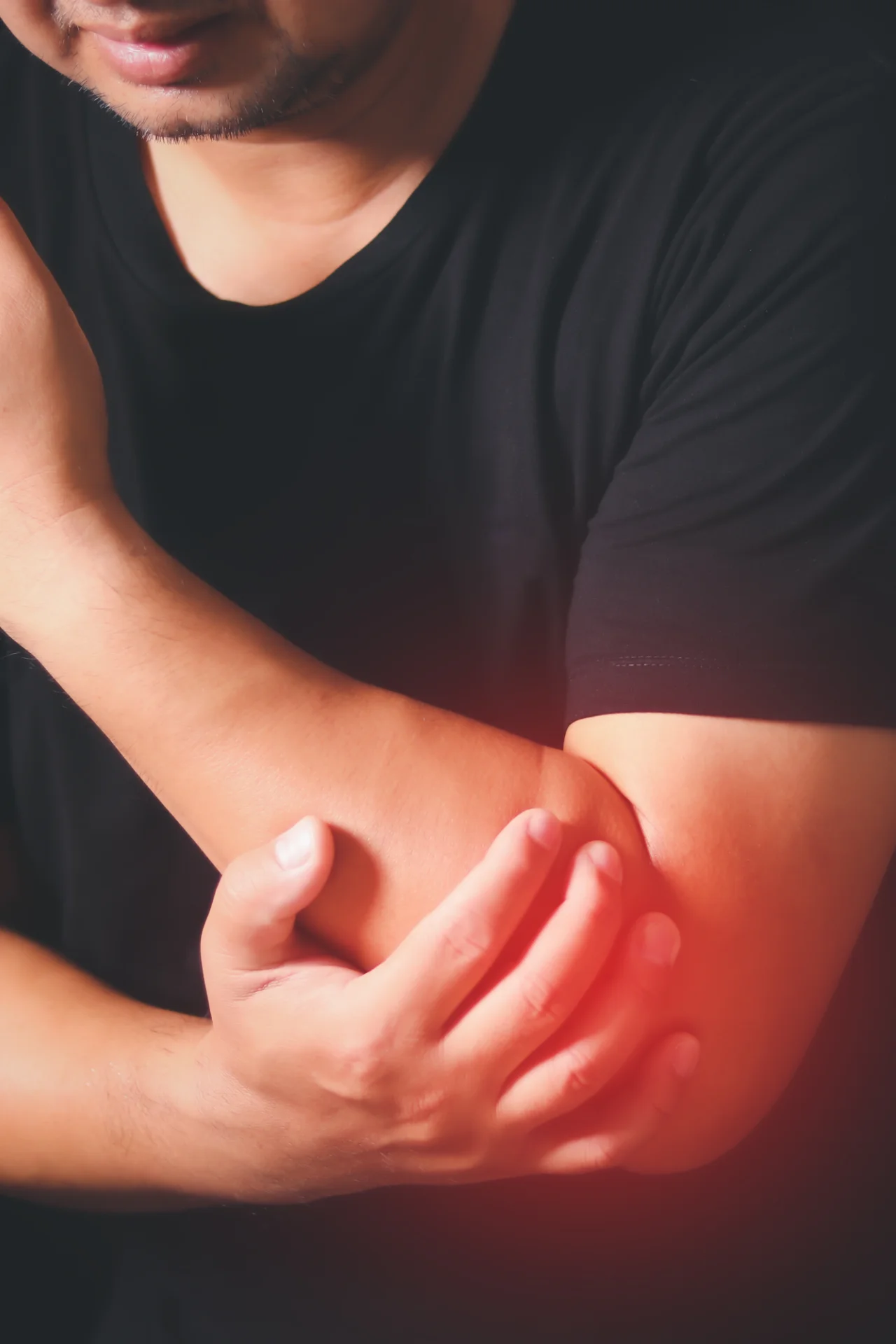
CRPS can produce a wide range of symptoms, sometimes more severe than the original injury.
Pain Symptoms
- Severe burning or shooting pain
- Extreme sensitivity to touch (even clothing can hurt)
- Pain out of proportion to injury
Skin & Circulation Changes
- Swelling
- Skin temperature changes (hot or cold)
- Color changes (red, purple, blue, or pale)
- Shiny or thinning skin
- Excessive or reduced sweating
Hair & Nail Changes
- Faster or slowed hair growth
- Brittle, thickened, or ridged nails
Motor Symptoms
- Weakness
- Tremors
- Muscle spasms
- Difficulty moving the affected limb
- Contractures in advanced cases
Advanced Symptoms
- Bone thinning
- Severe muscle atrophy
- Unbearable pain with movement
- Joint contractures
These symptoms can appear gradually or rapidly depending on the stage.
The Three Stages of CRPS
CRPS may progress through stages, though not every patient experiences all three:
Stage 1: Acute Phase
- Redness
- Warmth
- Swelling
- Burning pain
- Sensitivity to touch
Stage 2: Dystrophic Phase
- Colder skin
- Increased stiffness
- Worsening pain
- Hair and nail changes
- Reduced movement
Stage 3: Atrophic Phase
- Severe stiffness
- Muscle atrophy
- Joint contractures
- Significant functional limitations
Early intervention provides the greatest chance of preventing progression.
How We Treat CRPS/RSD at iMsk & Spine Group
Because CRPS affects multiple systems in the body, treatment requires a comprehensive, multi-layered plan.
1. Pain Management
- Nerve-calming medications
- Anti-inflammatory treatments
- Neuropathic pain therapies
- Sympathetic nerve blocks
- Advanced interventional pain procedures
2. Physical & Occupational Therapy
- Gentle desensitization techniques
- Range-of-motion exercises
- Graded motor imagery
- Mirror therapy
- Strength and flexibility restoration
3. Psychological & Emotional Support
Chronic pain affects emotional health. Our team provides resources to help patients cope with anxiety, stress, and the emotional burden of CRPS.
4. Lifestyle & Home Strategies
- Encouraging safe movement
- Heat/cold guidance (used carefully)
- Stress reduction techniques
- Sleep improvement strategies
5. Long-Term Monitoring
CRPS requires close follow-up to adjust treatment and encourage steady improvement over time.
CRPS & RSD FAQ
Can CRPS be cured?
Does CRPS always get worse?
Is CRPS caused by psychological factors?
Can CRPS spread to other body parts?
Why is CRPS pain so intense?
Is exercise safe?