


Myofascial Pain Syndrome
Understanding Deep Muscle Pain & Myofascial Sensitivity
What Is Myofascial Pain Syndrome?
Myofascial Pain Syndrome occurs when a specific muscle becomes tight or irritated, creating painful knots that may also cause discomfort in nearby areas. These trigger points can be tender to touch, lead to deep aching pain, and sometimes cause referred pain beyond the original muscle. Unlike short-term muscle strain, this condition is chronic and often requires targeted treatment.
Common Causes of Myofascial Pain Syndrome
This condition may develop gradually over time or after repetitive strain.
Possible contributing factors include:
- Repetitive motions
- Muscle overuse
- Poor posture
- Stress-related muscle tension
- Prolonged sitting
- Previous injury or trauma
- Linked conditions, such as fibromyalgia
Certain occupations or hobbies involving repetitive movement may increase risk.
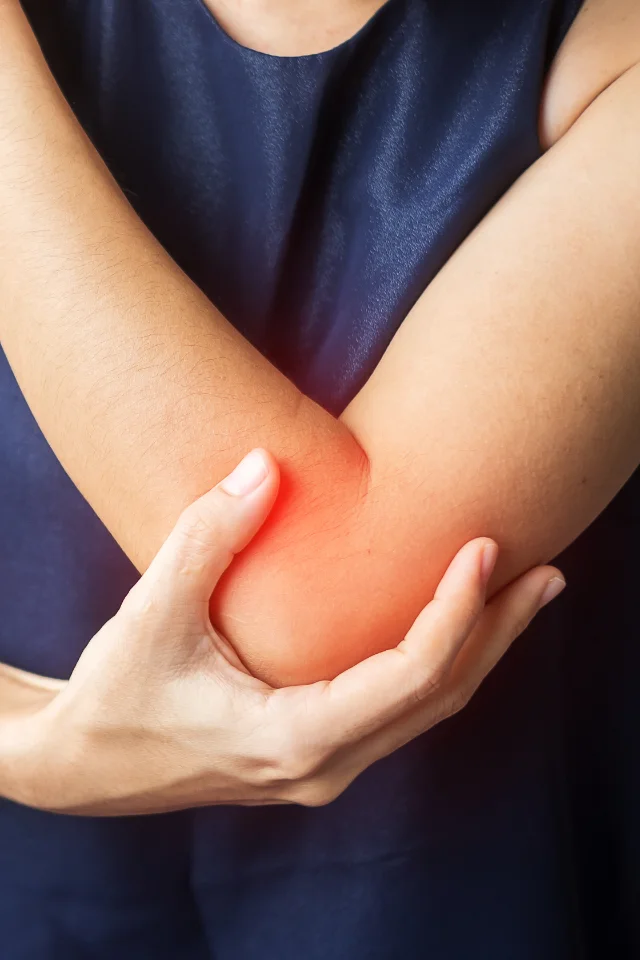
Symptoms of Myofascial Pain Syndrome
Muscle Pain
- Deep aching or burning
- Tender knots in muscles
- Pain that worsens with use
Trigger Point Sensitivity
- Pain when pressure is applied
- Pain that spreads or radiates
- Local twitch response
Functional Issues
- Difficulty sleeping
- Fatigue
- Limited movement
- Reduced muscle strength
How We Treat Myofascial Pain Syndrome at iMsk & Spine Group
Comprehensive Evaluation
We identify the muscles involved, potential triggers, and factors that may be contributing to chronic strain.
Physical Therapy & Trigger Point Techniques
Gentle stretching, strengthening exercises, manual therapy, and movement retraining can help reduce tension and restore comfort.
Pain-Management Strategies
Medication, interventional approaches when appropriate, and home therapy guidance can help manage persistent discomfort.
Lifestyle & Ergonomic Guidance
Because repetitive stress often plays a role, we recommend body mechanics, posture correction, and movement modifications to prevent recurrence.
Myofascial Pain Syndrome FAQ
What is a trigger point?
Is this the same as fibromyalgia?
Why does pressure help or hurt?
Can exercise make this worse?
Does this go away on its own?