




CRPS & RSD
Expert Treatment for Severe Nerve Pain, Swelling & Sensory Changes
What Is CRPS (Complex Regional Pain Syndrome)?
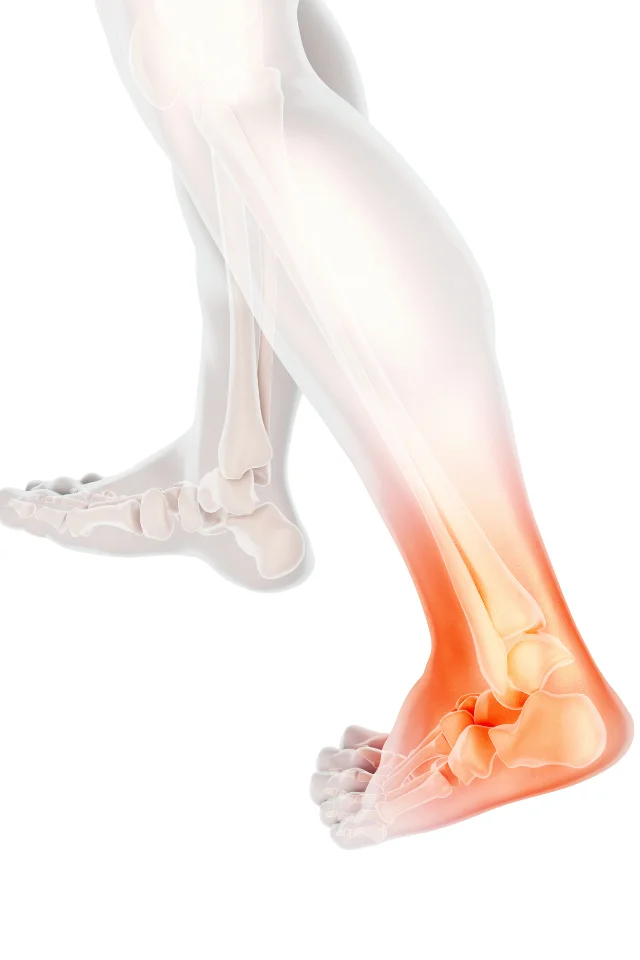
CRPS is a disorder of the nervous system in which the body’s pain signals malfunction — sending intense pain in response to even mild or normal touch. It causes a combination of nerve, skin, blood vessel, bone, and muscle abnormalities, making early diagnosis and treatment essential.
CRPS is sometimes referred to as RSD (Reflex Sympathetic Dystrophy), an older term for forms of the condition where a definitive nerve injury may not be found.
Whether labeled CRPS or RSD, the condition requires thoughtful, comprehensive care and ongoing support.
Causes of CRPS/RSD
While CRPS most often develops after:
- Fractures
- Sprains or ligament tears
- Surgery
- Crush injuries
- Burns
- Infections
It can also occur:
- After seemingly minor injuries
- Without any identifiable cause
The exact mechanism is not fully understood, but experts believe it involves a combination of:
- Nervous system malfunction
- Abnormal inflammation
- Changes in pain pathways
- Vascular dysfunction (blood flow changes)
Symptoms of CRPS/RSD
CRPS can cause an unusual mix of sensory, skin, motor, and nerve symptoms, including:
Pain Symptoms
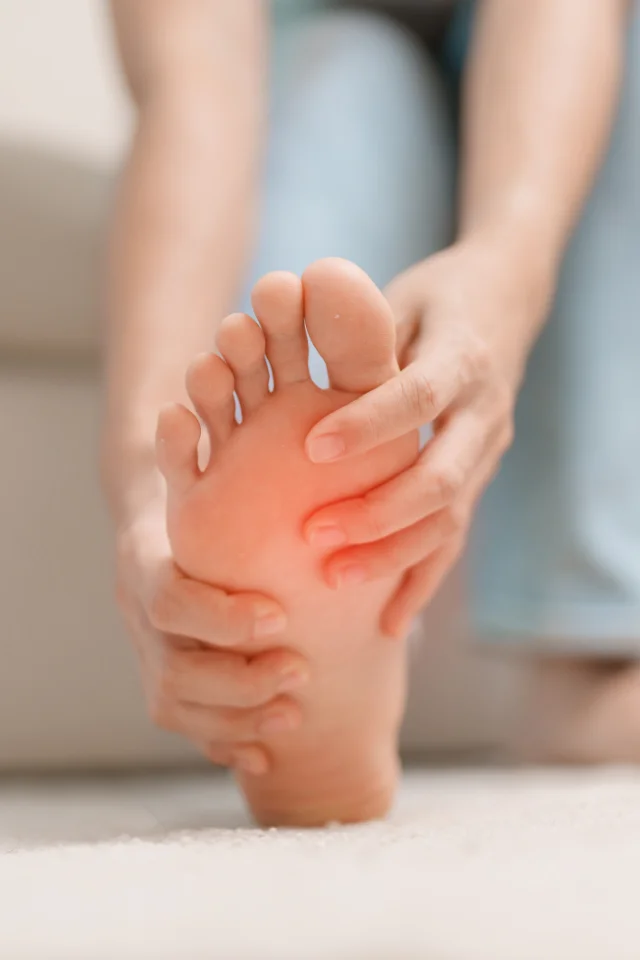
- Severe burning or shooting pain
- Extreme sensitivity to touch (allodynia)
- Pain disproportionate to injury
Skin & Circulation Changes
- Swelling
- Changes in skin temperature (hot or cold)
- Skin discoloration (red, purple, blue, or pale)
- Shiny or thinning skin
- Excessive or reduced sweating
Hair & Nail Changes
- Faster or slowed hair growth
- Brittle, thickened, or ridged nails
Motor Symptoms
- Weakness
- Tremors
- Muscle spasms
- Difficulty moving the affected limb
- Contractures in advanced cases
Advanced Symptoms
- Bone thinning (osteopenia)
- Severe muscle atrophy
- Debilitating pain with movement
CRPS is a condition where early evaluation and treatment greatly influence long-term outcomes.
The Three Stages of CRPS
CRPS may progress through stages, though not every patient experiences all three:
Stage 1: Acute Phase
- Lasts weeks to months
- Swelling
- Warmth and redness
- Burning pain
- Sensitivity
Stage 2: Dystrophic Phase
- Increased stiffness
- Cooler skin temperature
- Worsening pain
- Hair and nail changes
- Loss of mobility
Stage 3: Atrophic Phase
- Significant mobility limitations
- Contractures
- Muscle atrophy
- Joint stiffness
- Severe functional impairment
Early intervention helps reduce progression through these stages.
How We Treat CRPS/RSD at iMsk & Spine Group
Because CRPS affects multiple systems in the body, treatment requires a comprehensive, multi-layered plan.
1. Pain Management
- Nerve-calming medications
- Anti-inflammatory treatments
- Neuropathic pain therapies
- Sympathetic nerve blocks
- Advanced interventional pain procedures
2. Rehabilitation & Physical Therapy
- Gentle desensitization techniques
- Range-of-motion exercises
- Graded motor imagery
- Mirror therapy
- Strength and flexibility restoration
3. Functional Improvement
- Occupational therapy
- Adaptive strategies to maintain independence
- Support for mobility and daily tasks
4. Psychological & Emotional Support
Chronic pain can affect mental well-being. We provide resources and support to help patients manage stress, anxiety, and the emotional impact of CRPS.
5. Long-Term Monitoring
CRPS requires ongoing attention. We work closely with patients over time to adjust treatment as symptoms change and improve.
CRPS & RSD FAQ
Is CRPS curable?
How quickly does CRPS progress?
Can CRPS spread to other parts of the body?
Why is CRPS so painful?
How do you diagnose CRPS?
Can physical therapy help, or will it worsen symptoms?