





Carpal Tunnel Syndrome
Expert, Compassionate Care for Carpal Tunnel Syndrome
What Is Carpal Tunnel Syndrome?
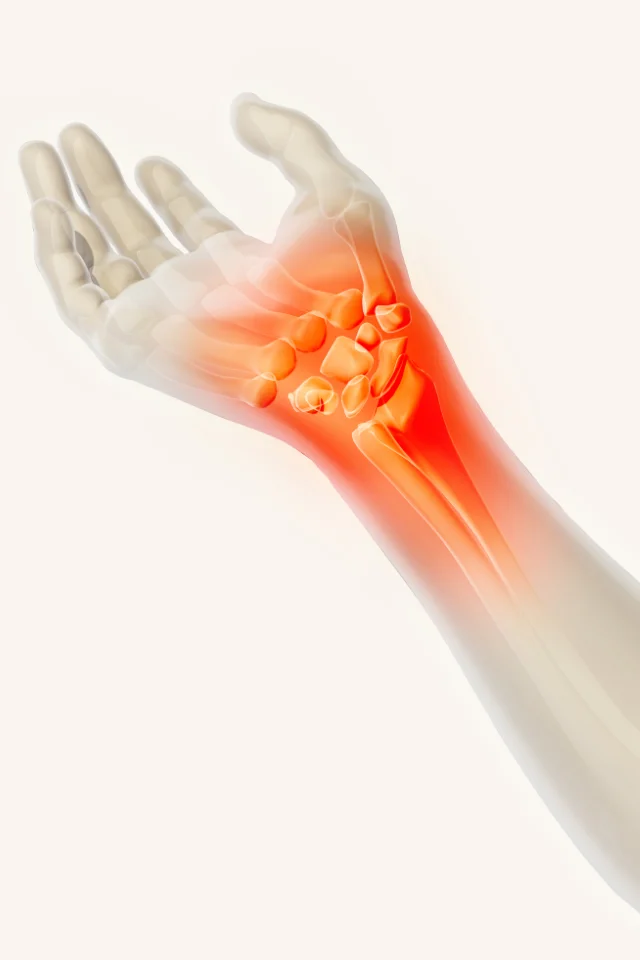
Carpal Tunnel Syndrome occurs when the median nerve — which controls sensation and movement in the thumb, index finger, middle finger, and part of the ring finger — becomes squeezed inside the wrist’s carpal tunnel. This tunnel contains both the nerve and several tendons, so any swelling or irritation in the area can increase pressure on the nerve.
While repetitive motions like typing, writing, or using tools are common triggers, symptoms can also appear at night due to wrist position during sleep. If left untreated, persistent nerve pressure can lead to muscle weakness or even atrophy.
Common Causes
Carpal Tunnel Syndrome can develop from a variety of factors, including:
- Repetitive wrist or hand movements
- Prolonged computer or device use
- Wrist injuries (sprains or fractures)
- Inflammation from arthritis
- Hormonal changes (such as pregnancy)
- Diabetes or thyroid disorders
- Genetic predisposition (naturally smaller carpal tunnel)
At iMsk & Spine Group, we carefully evaluate the underlying cause to tailor the best treatment approach.

Symptoms of Carpal Tunnel Syndrome
Symptoms often begin gradually but can worsen over time:
Early Symptoms
- Tingling or numbness in the thumb, index, and middle fingers
- Burning or itching sensations in the palm
- Pain that radiates into the forearm
- Symptoms that worsen at night
Progressive Symptoms
- Weakness in the affected hand
- Dropping objects
- Difficulty gripping or pinching
- Sensation of “electric shocks” in the fingers
Advanced Symptoms
- Noticeable atrophy of the thumb-side hand muscles
- Persistent numbness
- Reduced hand coordination
How We Treat Carpal Tunnel Syndrome
At iMsk & Spine Group, we offer a full range of non-surgical, patient-focused treatment options:
Conservative Treatments
- Wrist Splinting: Especially helpful at night to keep the wrist in a neutral position.
- Activity Modification: Adjusting repetitive tasks that aggravate symptoms.
- Anti-Inflammatory Treatments: To reduce swelling and irritation.
- Physical & Occupational Therapy: Strengthening, stretching, and ergonomic training.
- Nerve Gliding Exercises: To promote healthy movement of the median nerve.
Interventional Treatments
- Targeted Injections: Reduce inflammation and relieve pressure on the median nerve.
- Ultrasound-Guided Treatments: For precise, effective relief.
When Advanced Care Is Needed
If symptoms do not improve with conservative care or severe nerve compression is present, we coordinate further evaluation to explore additional treatment options. Our team will guide you every step of the way.
Carpal Tunnel Syndrome FAQ
Can Carpal Tunnel Syndrome go away on its own?
Why are my symptoms worse at night?
Do I need surgery for Carpal Tunnel Syndrome?
What happens if I ignore my symptoms?
Can Carpal Tunnel Syndrome affect both hands?
Will changing my workstation help?