




Osteoarthritis
Expert Care for Shingles Pain & Nerve Damage
What Is Osteoarthritis?
Osteoarthritis, sometimes called Degenerative Arthritis or Degenerative Joint Disease, is a progressive condition involving the breakdown of:
- Cartilage (the smooth tissue that cushions joints)
- Bone ends (which may develop spurs or roughness)
- Supporting tissues (including ligaments and joint lining)
As the joint degenerates, movement becomes painful and stiff, and daily activities may feel increasingly difficult. Osteoarthritis can affect any joint, but it most commonly involves:
- Hips
- Knees
- Shoulders
- Ankles
- Fingers and hands
- Spine facet joint
Common Causes of Osteoarthritis
Osteoarthritis typically develops gradually over time, but several factors can accelerate or contribute to its progression:
Natural & Age-Related Causes
- Wear and tear over many years
- Reduced cartilage production with age
Lifestyle or Mechanical Factors
- Repetitive stress on joints
- High-impact activities
- Excess body weight (increasing pressure on joints)
Medical or Structural Conditions
- Joint injuries
- Previous fractures or surgeries
- Genetics or family history
- Inflammatory conditions
- Weak or imbalanced muscles placing strain on joints
Identifying the contributing factors allows us to create a highly targeted treatment plan.
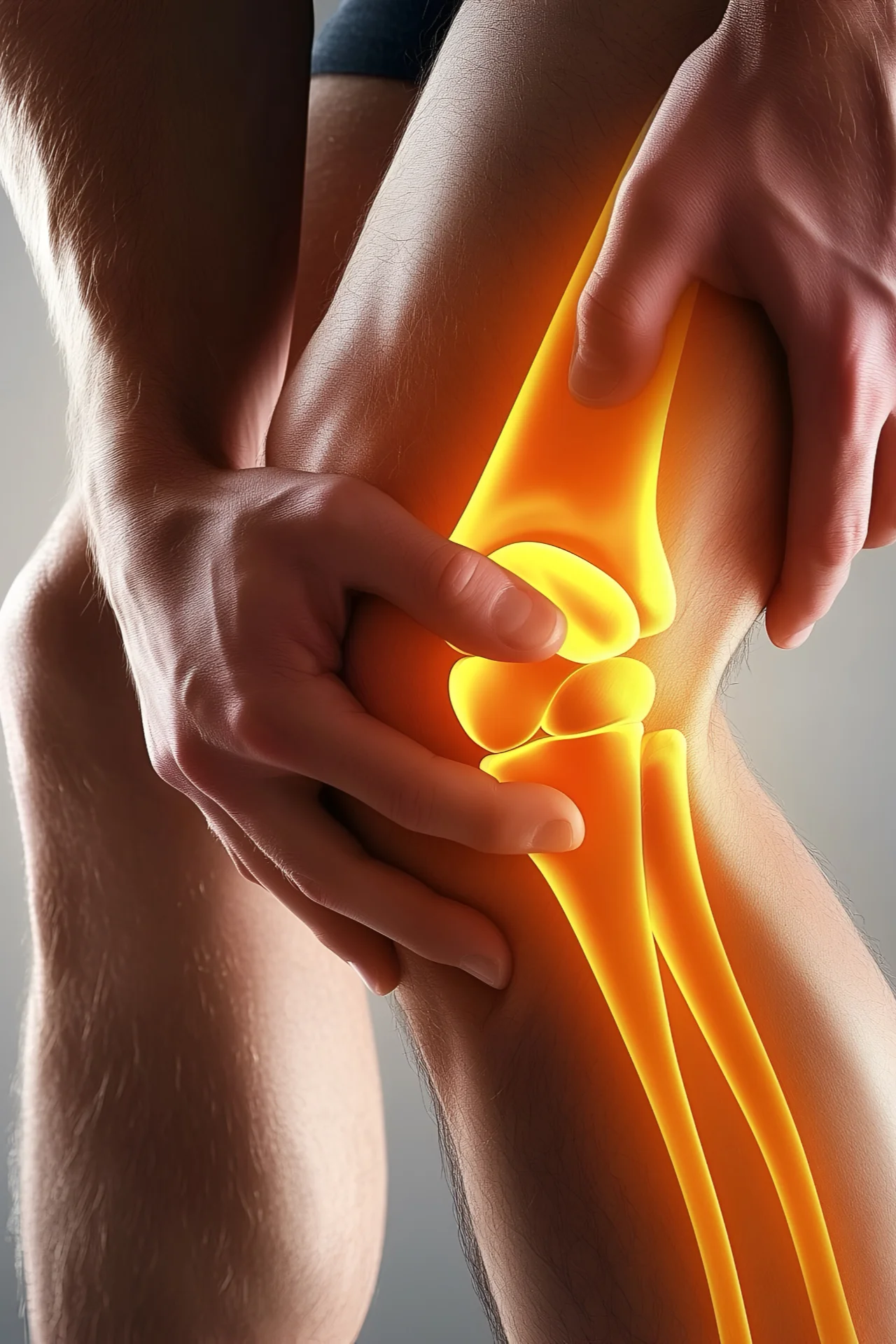
Symptoms of Osteoarthritis
Osteoarthritis symptoms range from mild discomfort to significant functional limitations. Common symptoms include:
Pain & Sensory Changes
- Aching or sharp joint pain
- Pain that worsens with activity and improves with rest
Movement-Related Symptoms
- Stiffness (especially in the morning or after sitting)
- Decreased range of motion
- Cracking, popping, or grinding sensations (crepitus)
- Joint weakness or instability
Inflammatory Symptoms
- Swelling around the joint
- Tenderness to touch
- Warmth or mild redness (in some cases)
Symptoms may come and go, or progressively worsen over time if untreated.
How We Treat Osteoarthritis at iMsk & Spine Group
We take a comprehensive, personalized approach designed to relieve pain, restore movement, and protect joint health.
1. Conservative Treatments
- Activity modification
- Weight management strategies (if appropriate)
- Heat and cold therapy
- Assistive devices (braces, supports, or canes)
2. Physical Therapy & Rehabilitation
- Strengthening exercises
- Stretching and flexibility work
- Gait and posture training
- Joint protection and movement strategies
3. Medications & Non-Opioid Pain Relief
- Anti-inflammatory medications
- Topical agents
- Joint pain–specific medications
4. Interventional Treatments
- Corticosteroid injections
- Viscosupplementation (hyaluronic acid) injections for knee arthritis
- Ultrasound-guided procedures for accurate targeting
5. Lifestyle & Long-Term Joint Protection
- Ergonomics for work and home
- Exercise recommendations
- Activity pacing
- Strengthening surrounding muscles for joint support
6. Advanced Care Coordination
If joint degeneration becomes severe, we help coordinate advanced orthopedic evaluation while continuing to support your rehabilitation and pain management every step of the way.
Osteoarthritis FAQ
Is osteoarthritis reversible?
Why does my joint hurt more in the morning?
When should I consider injections for osteoarthritis?
Does exercise make osteoarthritis worse?
What’s the difference between osteoarthritis and rheumatoid arthritis?
When is joint replacement needed?