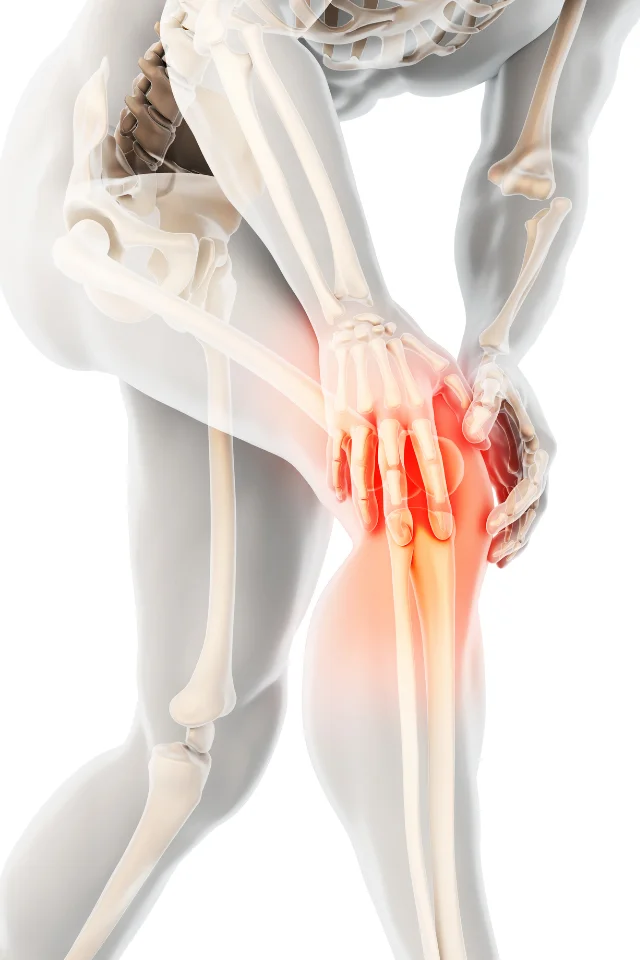






Knee Arthritis
Expert Relief for Knee Arthritis, Swelling & Degeneration
What Is Knee Arthritis?
Knee Arthritis involves the progressive breakdown of cartilage within the knee joint. Without proper cushioning, the joint becomes irritated and inflamed, causing pain during movement and stiffness after periods of rest.
The most common form is osteoarthritis, but inflammatory types of arthritis — such as rheumatoid arthritis — can also affect the knee.
Knee arthritis is especially impactful because the knee is one of the most heavily used joints in the body, bearing weight with every step, squat, and climb.
Common Causes of Knee Arthritis
Degenerative & Age-Related Factors
- Natural cartilage wear over time
- Decreased joint lubrication with age
Mechanical or Lifestyle Factors
- Repetitive stress from work or athletics
- Excess body weight, increasing load on the knees
- Muscle weakness or imbalance around the joint
Previous Injuries
- Meniscus tears
- Ligament injuries (ACL, MCL, LCL, etc.)
- Fractures involving the joint
Medical or Genetic Factors
- Inflammatory arthritis conditions
- Family history of joint degeneration
- Metabolic disorders
Identifying the underlying cause helps guide the most effective treatment plan.
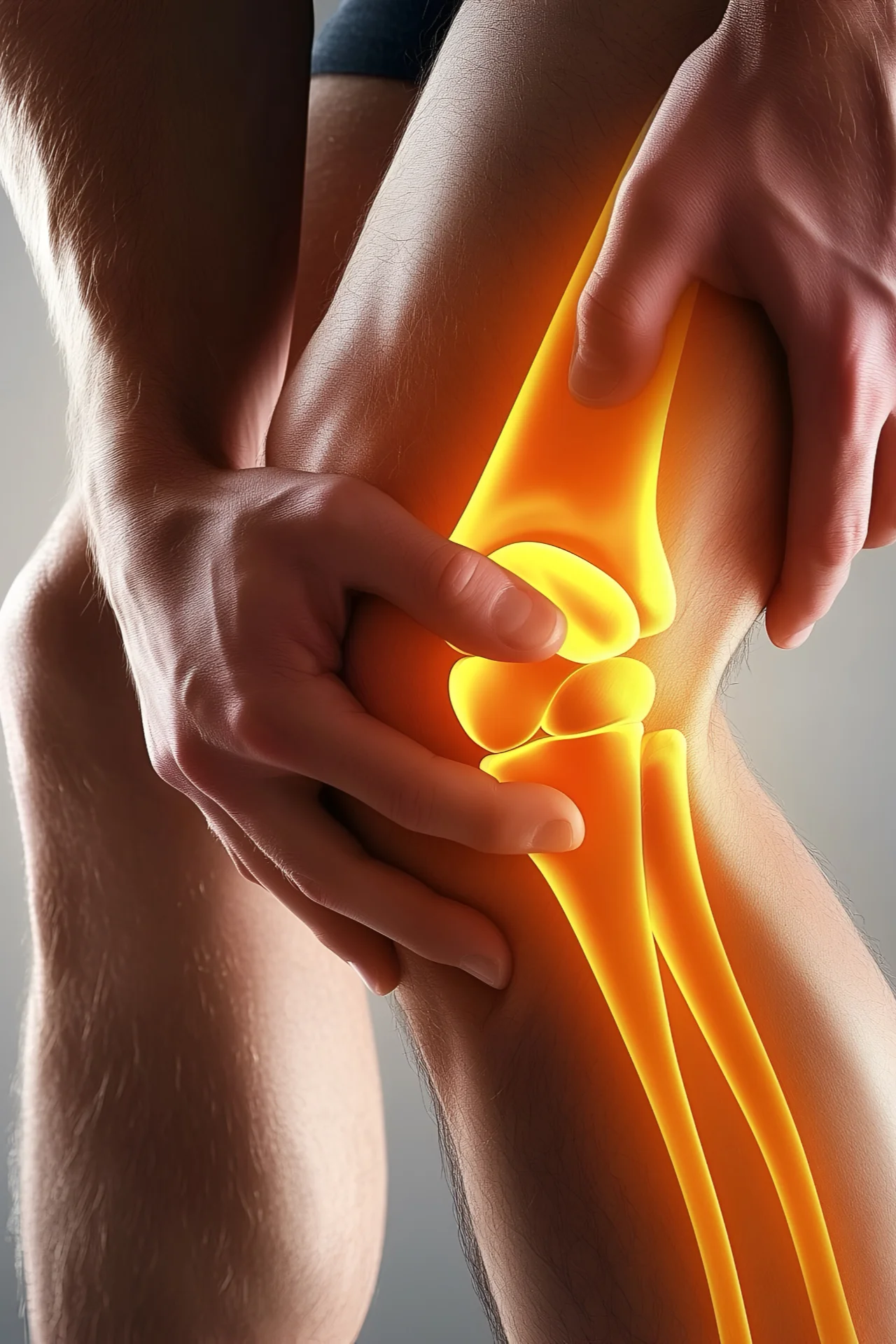
Symptoms of Knee Arthritis
Symptoms may begin gradually and worsen over time:
Pain & Discomfort
- Pain during walking, bending, or climbing stairs
- Pain after sitting or resting
Stiffness & Limited Movement
- Morning stiffness
- Reduced flexibility or range of motion
- Difficulty squatting or kneeling
Inflammatory Symptoms
- Swelling around the knee
- Warmth or tenderness
Mechanical Symptoms
- Cracking, popping, or grinding (crepitus)
- Sensation of weakness or instability
Knee arthritis can be especially limiting, but early intervention greatly improves long-term outcomes.
How We Treat Knee Arthritis at iMsk & Spine Group
We take a multi-layered, personalized approach that focuses on relieving pain, improving mobility, and supporting long-term joint health.
1. Conservative Treatment Options
- Anti-inflammatory medications
- Ice/heat therapy
- Bracing or supportive devices
- Activity modification to reduce stress on the knees
2. Physical Therapy & Rehabilitation
- Strengthening exercises for thigh, hip, and core muscles
- Stretching and flexibility training
- Gait and balance training
- Joint protection and movement education
3. Interventional Procedures
- Corticosteroid injections to reduce inflammation
- Viscosupplementation (hyaluronic acid) injections to improve joint lubrication
- Ultrasound-guided procedures for treatment accuracy
4. Lifestyle Guidance
- Weight management strategies
- Low-impact exercise recommendations
- Ergonomic adjustments for work and daily life
5. Advanced Care Coordination
For severe and advanced knee arthritis, we coordinate with orthopedic specialists to discuss surgical options if necessary, while supporting ongoing rehab and pain management.
Knee Arthritis FAQ
Can knee arthritis be reversed?
While cartilage loss cannot be reversed, proper treatment significantly reduces pain, improves function, and slows progression.
Is exercise safe for knee arthritis?
When should I consider injections?
Why do stairs hurt so much with knee arthritis?
Do I need a knee replacement?
Why does my knee crack or grind?