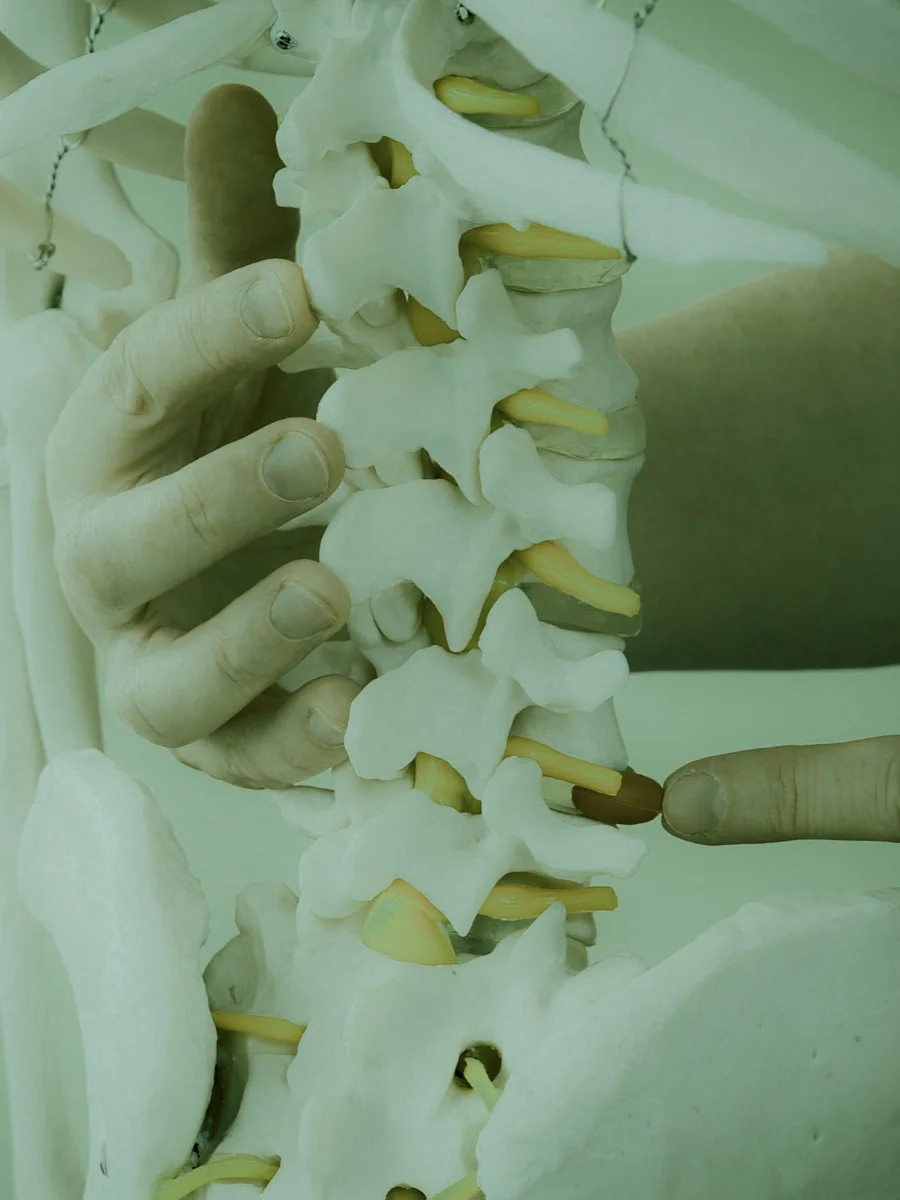
Epidural Steroid Injections
Epidural Steroid Injections for Back and Leg Pain
Epidural Steroid Injections are a minimally invasive treatment designed to reduce inflammation around irritated spinal nerves. By delivering targeted medication into the epidural space, these injections help relieve pain in the lower back, neck, or legs caused by nerve compression or inflammation. At iMsk & Spine Group, our goal is to provide safe relief that supports movement, comfort, and daily function.
What Are Epidural Steroid Injections?
An Epidural Steroid Injection delivers anti-inflammatory medication directly into the space surrounding spinal nerves. This helps calm nerve irritation, reduce swelling, and relieve persistent pain caused by spinal or nerve compression. Many patients experience significant improvement in mobility and quality of life after treatment.
Why It Helps
When nerves become irritated or compressed, inflammation builds around the affected area. Steroid medication decreases this inflammation and can reduce associated pain, numbness, and tingling. Patients often report improved comfort and better function after treatment.
Conditions It Helps Treat
Epidural Steroid Injections may be recommended for:
- Herniated discs
- Spinal stenosis
- Sciatica
- Radiculopathy
- Degenerative disc disease
- Nerve compression
How Treatment Works
This procedure is performed using imaging guidance to ensure accuracy and safety.
A typical session includes:
- Local numbing
- Fluoroscopy or imaging guidance
- Targeted steroid injection
- Short observation period
- Return home the same day
Relief may occur quickly or gradually depending on the cause of pain.
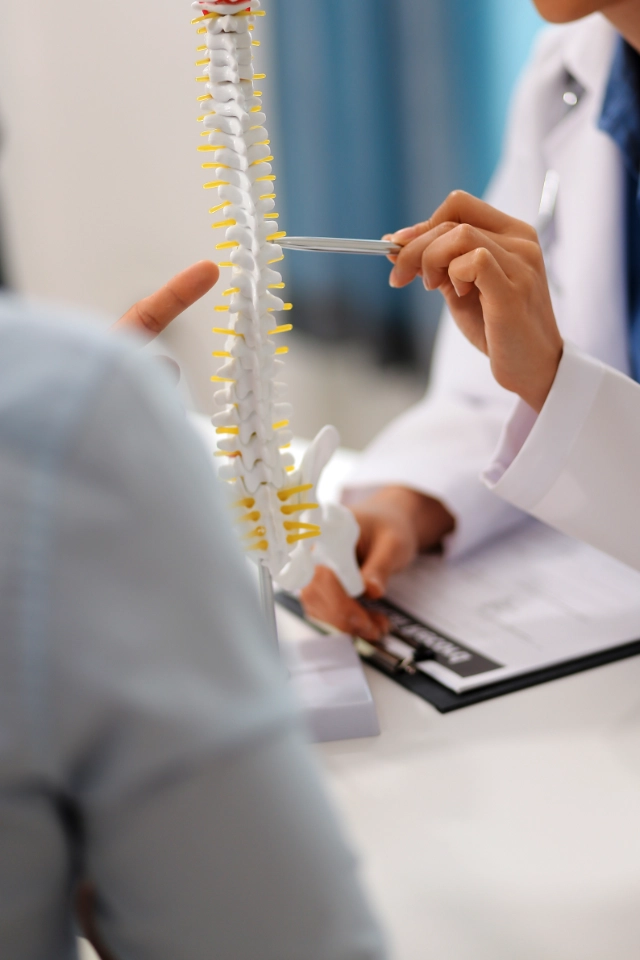
Caudal Epidural Steroid Injection
Cervical Epidural Steroid Injection
Lumbar Epidural Steroid Injection
Thoracic Epidural Steroid Injection
Epidural Steroid Injections FAQ
Are these injections painful?
Most patients feel only mild pressure or discomfort, and numbing medication is used to keep the procedure comfortable.
How long does relief last?
Relief may last weeks or months depending on the individual condition.
Is this a permanent solution?
Some patients require additional sessions or complementary therapies, depending on the underlying cause.
Will this treat the cause or just symptoms?
It reduces inflammation, which helps many patients heal more comfortably, but ongoing care helps address long-term improvements.
Can I return to normal activities after treatment?
Most patients resume normal activities the same day or within 24 hours.