



Piriformis Syndrome
Relief for Sciatic Nerve Pain
What Is Piriformis Syndrome?
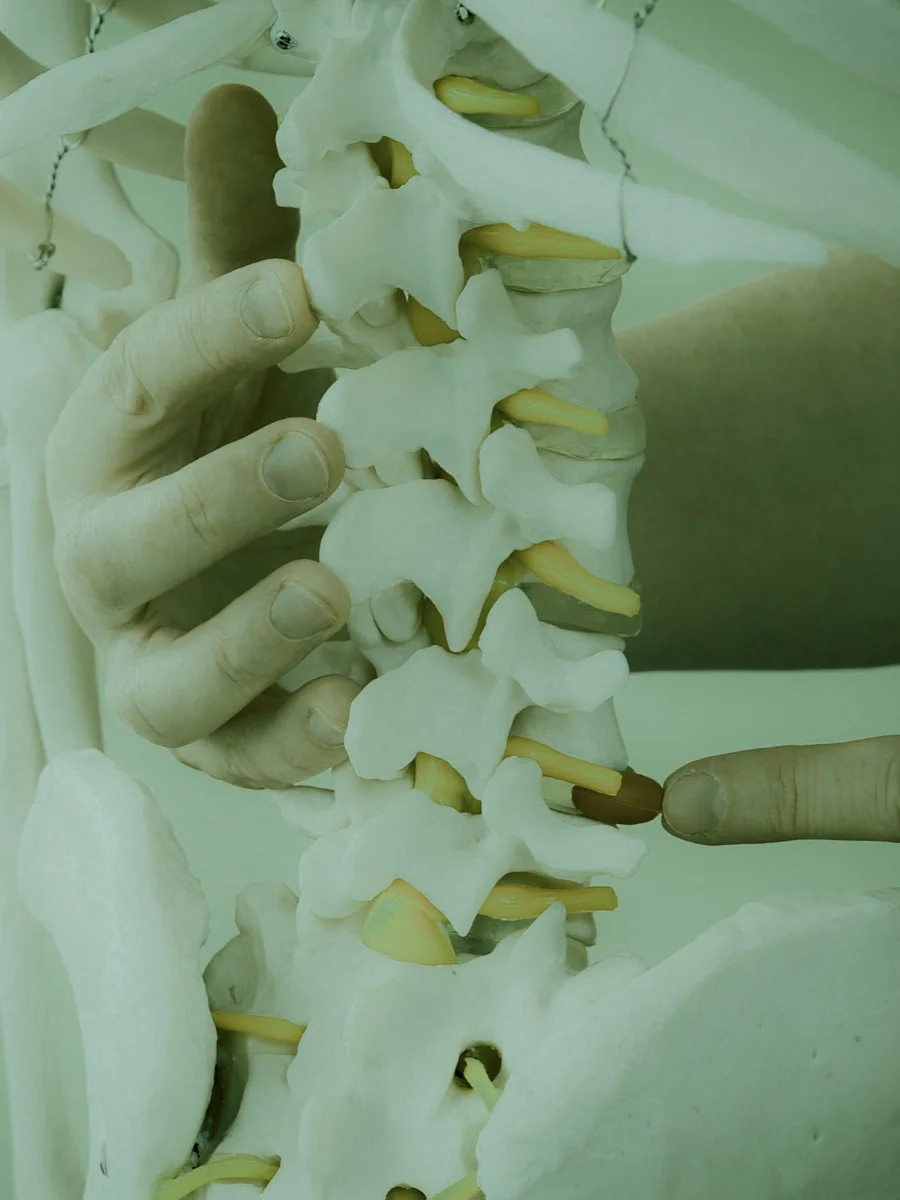
The piriformis is a small, flat muscle located near the buttock that helps the hip rotate and stabilize. When it becomes inflamed, irritated, or overused, it can press against the sciatic nerve and cause significant discomfort. Many patients feel pain in the lower back or buttock, and others may experience radiating or “sciatica-like” symptoms.
Common Causes of Piriformis Syndrome
Piriformis Syndrome often develops from overuse, prolonged pressure, or repetitive stress.
Possible contributing causes include:
- Long periods of sitting
- Repetitive lifting
- Muscle irritation or injury
- Distance running
- Certain sports
- Prior hip or spine issues
Diagnosis is essential because symptoms may closely resemble sciatica or other nerve conditions.

Symptoms of Piriformis Syndrome
Pain or Discomfort
- Deep aching pain near the buttock
- Pain that worsens with sitting
- Pain after physical activity
Nerve Symptoms
- Tingling or numbness
- Shooting pain down the leg
- “Pins and needles” sensation
Functional Symptoms
- Stiffness in the lower back or hips
- Difficulty sitting for long periods
- Pain during walking or lifting
How We Treat Piriformis Syndrome at iMsk & Spine Group
1. Thorough Diagnostic Evaluation
We determine whether the pain is caused by the piriformis muscle, the spine, or another nerve-related issue.
2. Physical Therapy
Exercises and stretching programs are designed to relax the piriformis muscle and relieve nerve compression.
3. Pain-Relief Treatment
Medications or targeted interventions may help reduce inflammation and nerve irritation.
4. Lifestyle & Posture Guidance
We help patients adjust sitting patterns, movement habits, and muscle use to prevent recurring symptoms.
Piriformis Syndrome FAQ
Is this the same as sciatica?
Piriformis Syndrome causes sciatic-like symptoms, but originates from the muscle—not the spine.
Can sitting make symptoms worse?
Yes—long sitting can tighten the piriformis muscle and increase pressure on the sciatic nerve.
Can it go away on its own?
Mild cases sometimes improve with rest, but chronic or recurring pain often benefits from treatment.
How do you know it’s not something in the spine?
Proper evaluation helps distinguish piriformis-related pain from conditions such as herniated discs or spinal nerve compression.
Can exercise help?
Yes—guided stretching and strengthening exercises are key to relieving tension and restoring mobility.