
Joint Disorders
Expert Joint Care for Better Movement & Better Living
Healthy joints are essential for comfortable movement and daily independence. When joint pain develops — whether from injury, arthritis, overuse, or degenerative changes — even simple tasks can become difficult. At iMsk & Spine Group, our specialists take the time to understand your symptoms, evaluate underlying causes, and create a personalized plan designed to restore mobility and reduce pain.
We treat a full range of joint disorders using advanced diagnostics, targeted therapies, and a compassionate approach that focuses on long-term function, strength, and overall wellness.
Hand and Wrist Joint Disorders
Basal Joint Osteoarthritis
Carpal Tunnel Syndrome
De Quervain’s Tenosynovitis
Flexor Tendon Injuries
Osteoarthritis of the Hand
Rheumatoid Arthritis (RA) of the Hand
Thumb Ulnar Collateral Ligament (UCL) Injury
Triangular Fibrocartilage Complex (TFCC) Tears
Trigger Digit
Trigger Digit
Wrist Sprain
Foot and Ankle Joint Disorders
Accessory Navicular Problems
Ankle Sprains
Charcot’s Neuroarthropathy (CN)
Chronic Lateral Ankle Pain
High Ankle Sprain (Syndesmosis Ligament Injury)
Peroneal Tendonitis
Phantom Pain
Plantar Fasciitis
Shin Splints (Medial Tibial Stress Syndrome)
Morton’s Neuroma
Tarsal Tunnel Syndrome
Achilles Tendonitis
Shoulder Joint Disorders
Acromioclavicular (AC) Joint Arthritis
Biceps Tendonitis
Frozen Shoulder (Adhesive Capsulitis)
Glenoid Labrum Tear
Muscle Strain of the Upper Back (Trapezius Strain)
Osteoarthritis of the Shoulder
Rheumatoid Arthritis (RA) of the Shoulder
Rotator Cuff Injuries; Rotator Cuff Tear
Shoulder Impingement Syndrome
Suprascapular Neuropathy
Weightlifter's Shoulder (Distal Clavicular Osteolysis)
Arm and Elbow Joint Disorders
Biceps Tendonitis (at the Elbow)
Cubital Tunnel Syndrome
Lateral Epicondylitis (Tennis Elbow)
Medial Apophysitis (Little Leaguer's Elbow)
Medial Epicondylitis (Golfer's Elbow)
Osteochondritis Dissecans of the Elbow
Overuse Injuries of the Elbow
Radial Tunnel Syndrome (Entrapment of the Radial Nerve)
Throwing Injuries of the Elbow
Triceps Tendonitis
Ulnar Collateral Ligament Injury
Hip Joint Disorders
Avascular Necrosis (Osteonecrosis) of the Hip
Bursitis of the Hip (Trochanteric Bursitis)
Hamstring Muscle Injuries
Iliotibial Band Syndrome (ITBS)
Inflammatory Arthritis of the Hip
Labral Tear of the Hip (Acetabular Labrum Tear)
Muscle Strain Injuries of the Hip
Muscle Strain Injuries of the Thigh
Osgood-Schlatter Disease
Osteoarthritis of the Hip
Sacroiliac Joint Pain
Transient Osteoporosis of the Hip
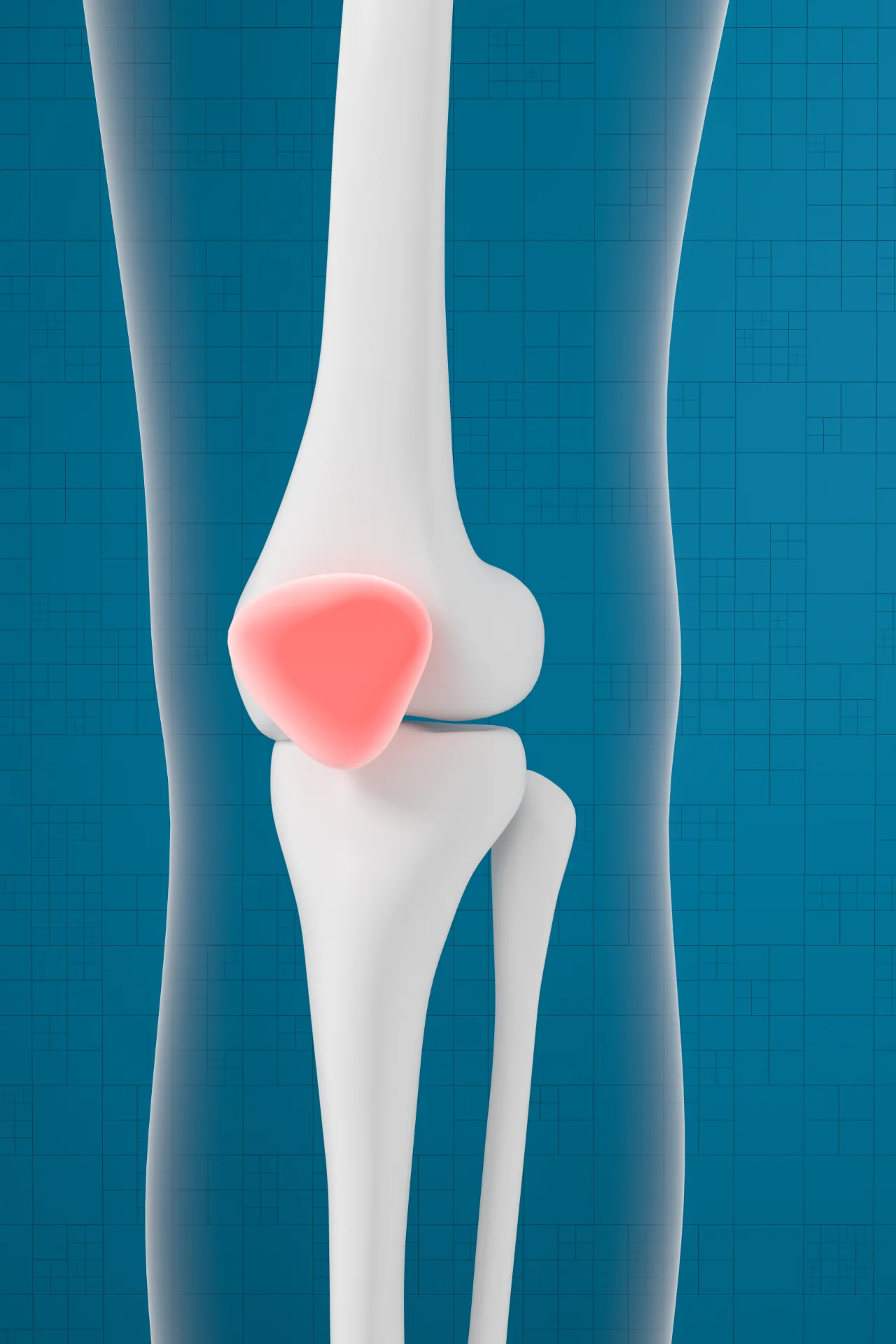
Knee Joint Disorders
Anterior Cruciate Ligament (ACL) Injuries
Lateral Collateral Ligament (LCL) Injury
Medial Collateral Ligament (MCL) Injury
Meniscus Tear
Osteoarthritis of the Knee
Osteochondritis Dissecans of the Knee
Patellar Tendinitis
Patellofemoral Pain Syndrome
Quadriceps Tendon Tear
Why Patients Trust iMsk & Spine Group for Joint Care
- ZComprehensive Joint Expertise: We diagnose and treat knee, hip, shoulder, elbow, wrist, ankle, and other joint-related conditions.
- ZPersonalized, Non-Surgical Options: Many joint conditions can be managed with interventional pain treatments, physical therapy, and rehabilitation—without the need for surgery.
- ZState-of-the-Art Diagnostics: Precise evaluations using imaging, physical assessment, and specialized testing ensure accurate diagnosis.
- ZLong-Term Relief & Function: Our goal is to reduce pain, prevent further wear, and help you move with confidence again.
- ZCompassionate, Patient-First Care: We take the time to answer your questions, understand your goals, and guide you through every step of treatment.
How do I know if my joint pain is serious or just from overuse?
Do joint disorders always require surgery?
No. Many joint conditions improve significantly with targeted non-surgical treatments such as physical therapy, injections, bracing, and lifestyle adjustments. Surgery is only considered when conservative treatments are not effective.
Why do joint problems get worse with age?
Can joint pain be caused by poor posture or muscle imbalance?
Yes. Misalignment, weak supporting muscles, or repetitive strain can place extra stress on joints. Our team identifies these factors and builds a treatment plan that addresses both the symptoms and the causes.
What can I do at home to help manage joint pain?
Low-impact exercise, stretching, heat/cold therapy, proper ergonomics, and maintaining a healthy weight can all support joint health. We also provide personalized home-care guidance based on your condition.