





Phantom Pain
Understanding Pain After Amputation
What Is Phantom Pain?
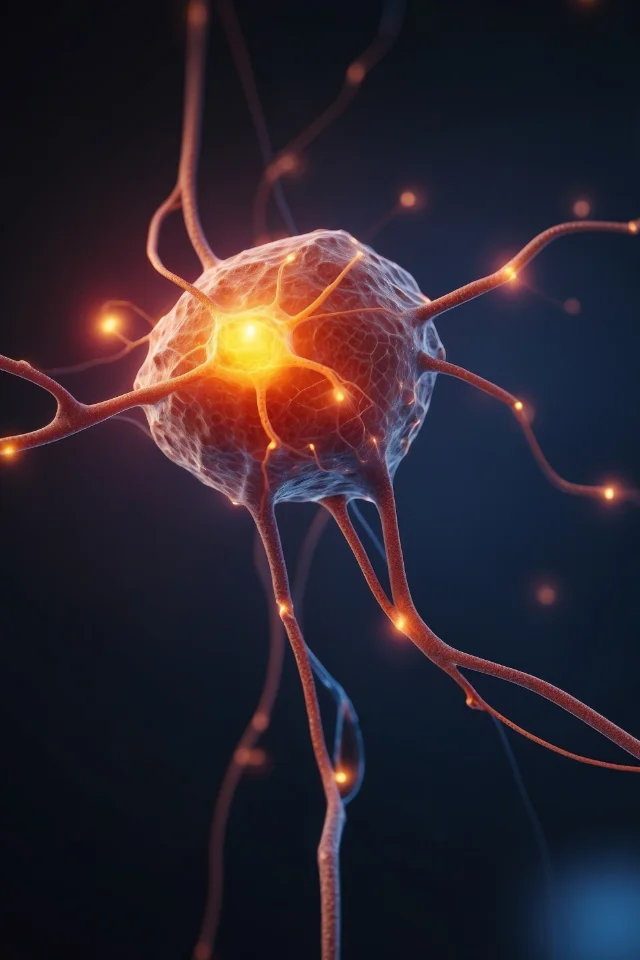
Phantom Pain occurs when the brain continues to receive nerve signals from a missing limb or body part. Even though the physical structure is gone, the nervous system “remembers” sensations, which can create very real feelings of pain, burning, tingling, or pressure. Phantom Pain is a neurological condition—not imaginary—and may develop shortly after amputation or appear weeks or months later.
Common Causes of Phantom Pain
Phantom Pain is closely linked to nerve pathways in the brain and central nervous system.
Possible contributing factors include:
- Amputation due to trauma
- Surgical removal of a limb
- Nerve injury
- Previous chronic pain in the removed limb
- Sensory system changes after surgery
The nervous system adapts to loss in complex ways, which is why Phantom Pain varies widely from person to person.
Symptoms of Phantom Pain
Pain Sensations
- Shooting or stabbing pain
- Burning or tingling
- Throbbing
- Cramping
- Electric or shock-like pain
Timing & Frequency
- Occurs soon after surgery
- May begin weeks or months later
- Can come and go or remain consistent
Neurological Responses
- Sensitivity to temperature
- Pain triggered by touch or pressure in nearby areas
- Emotional stress may increase symptoms
How We Treat Phantom Pain at iMsk & Spine Group
Treatment focuses on calming nerve activity, reducing discomfort, and helping the brain adjust to changes in the body.
1. Pain Management
Medications and targeted therapies to reduce nerve-related discomfort.
2. Physical Therapy & Desensitization Techniques
Exercises, stretching, and sensory re-training can help reduce nerve sensitivity and improve comfort.
3. Mirror Therapy & Neuromodulation Strategies
Used to help the brain “relearn” sensation and decrease overstimulation when appropriate.
4. Emotional Support & Education
We provide guidance to help patients understand the condition and manage symptoms confidently and safely.
Phantom Pain FAQ
Is Phantom Pain psychological?
No—Phantom Pain is a neurological response involving real nerve signals even though the limb is gone.
Does everyone who has an amputation experience Phantom Pain?
Not everyone, but many patients do, especially in the early stages after surgery.
Can Phantom Pain become chronic?
Some people experience short-term symptoms, while others may require long-term management.
Why does stress make symptoms worse?
Emotional and nervous system responses can heighten nerve activity, increasing pain perception.
Can Phantom Pain be treated effectively?
Yes—many treatment approaches help reduce discomfort and improve function over time.