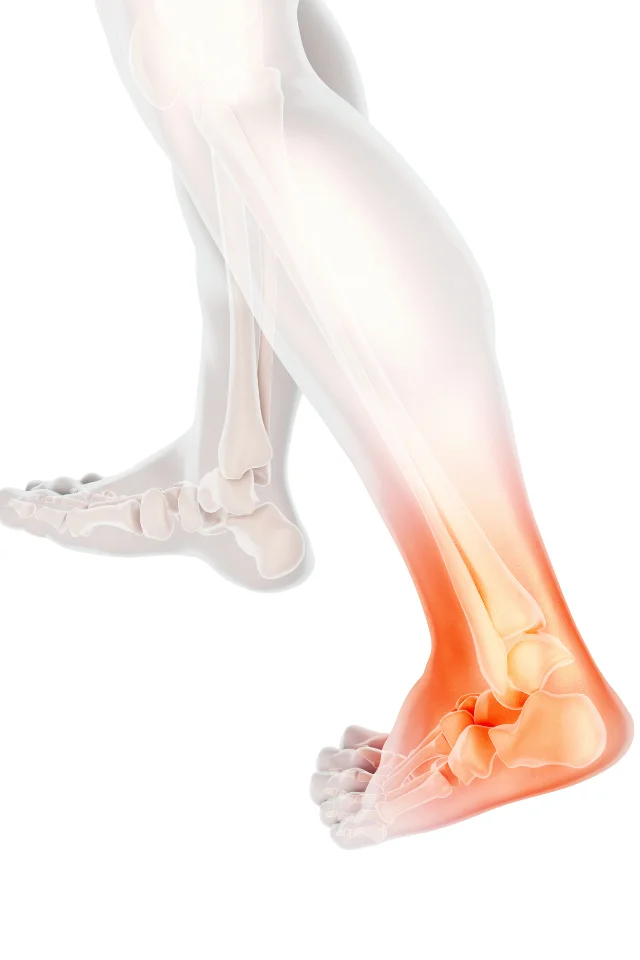






Complex Regional Pain Syndrome (CRPS)
Expert Support for Complex Regional Pain Syndrome
What Is CRPS?
CRPS is a complex disorder in which the nervous system reacts abnormally after trauma, causing severe pain, swelling, and changes in temperature or skin appearance. Instead of healing naturally, the nerves become overly sensitive and continue sending pain signals long after the original injury has resolved. This makes the pain feel disproportionate and difficult to control without specialized care.
Common Causes of CRPS
CRPS often develops after:
Injury or Trauma
- Fractures
- Sprains
- Contusions
- Strains
- Crush injuries
Following Surgery
- Joint surgery
- Bone repair
- Nerve procedures
Other Possible Triggers
- Infections
- Immobilization
- In some cases, no clear cause
Symptoms of CRPS
Pain
- Severe, disproportionate pain
- Burning, shooting, or aching sensations
- Pain that worsens with movement
Skin & Sensory Changes
- Temperature changes
- Color changes (red, blue, pale)
- Swelling or shiny skin
- Sensitivity to touch
Motor Symptoms
- Weakness
- Stiffness
- Difficulty moving the affected limb
Emotional & Functional Impact
- Frustration and fear related to worsening pain
- Difficulty returning to normal activities
How We Treat CRPS at iMsk & Spine Group
Comprehensive Evaluation
We take time to understand when symptoms began, what worsens them, and how trauma or surgery may have contributed.
Personalized Treatment Plans
Care may include medication, physical therapy, pain management strategies, and gentle movement to restore function.
Interventional Options
In some cases, nerve blocks or targeted pain procedures can calm irritation and help reduce severe symptoms.
Whole-Person Approach
Because CRPS affects body and mind, we take a warm, supportive approach that includes education, lifestyle guidance, and emotional support throughout treatment.
CFS FAQ
Why is the pain so intense?
Can CRPS spread to other areas?
Why does movement make the pain worse?
Can CRPS be cured?
Is CRPS psychological?
Why is this pain worse than the original injury?