

Rotator Cuff Injuries
Restore Shoulder Strength With Compassionate Rotator Cuff Care
What Are Rotator Cuff Injuries?
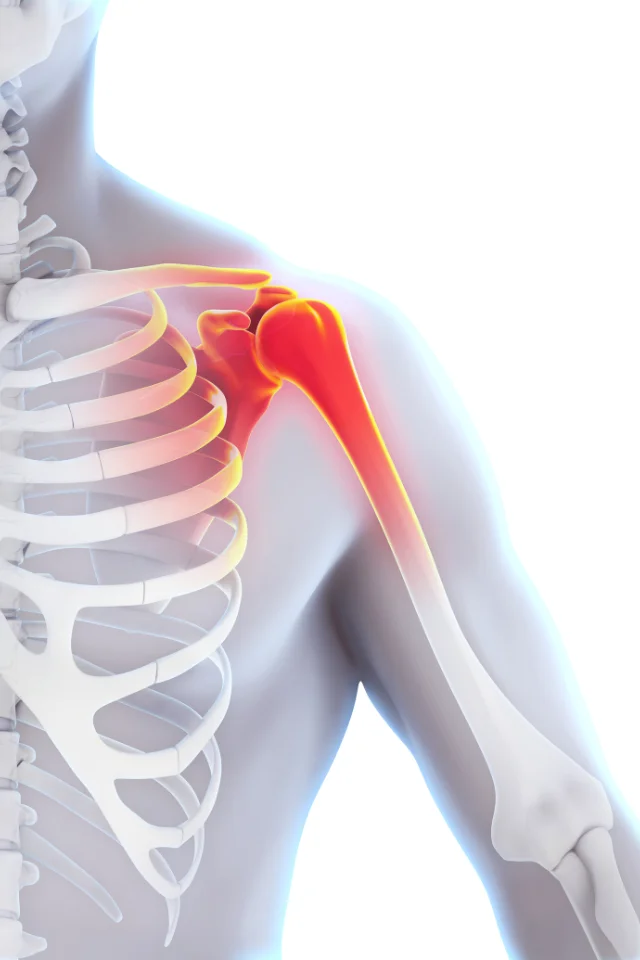
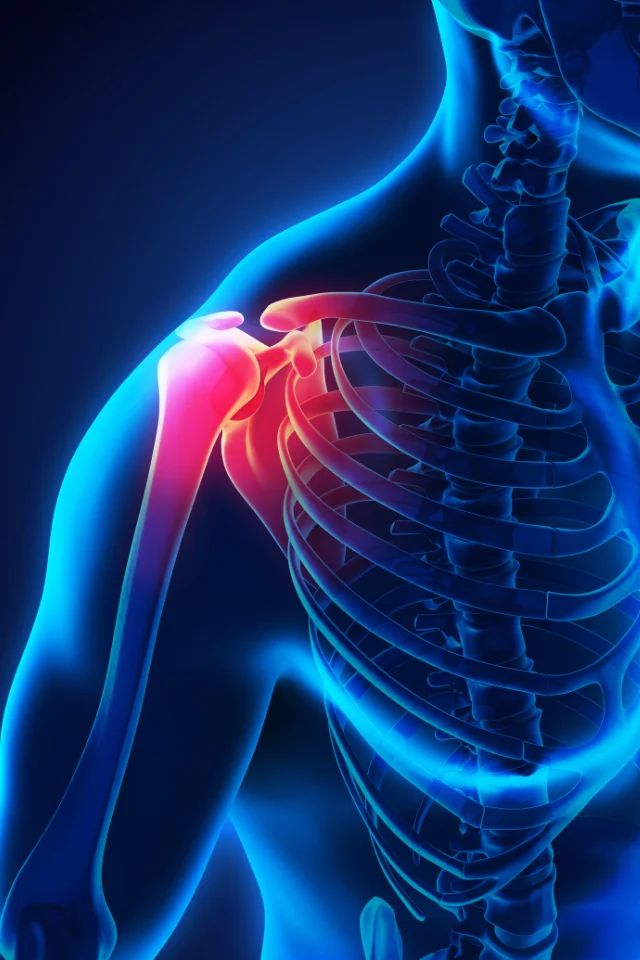
The rotator cuff is made up of four muscles and their tendons:
- Supraspinatus
- Infraspinatus
- Subscapularis
- Teres minor
These structures work together to lift, rotate, and stabilize the shoulder joint. Rotator cuff injuries occur when these tendons become inflamed, irritated, compressed, or torn due to:
- Impingement (tendons pinched between bones)
- Overuse
- Repetitive overhead motions
- Traumatic injury
- Degenerative wear over time
Injuries can range from mild tendonitis to partial or complete tendon tears
Common Causes of Rotator Cuff Injuries
Overuse & Repetitive Strain
- Throwing sports (baseball, tennis, volleyball)
- Swimming
- Weightlifting
- Repetitive overhead work
Degenerative Wear
- Age-related tendon weakening
- Chronic inflammation
- Long-term impingement
Traumatic Injuries
- Falls landing on the shoulder
- Lifting something heavy suddenly
- Rapid jerking motions
Symptoms of Rotator Cuff Injuries
Rotator cuff injuries can present in different ways depending on severity:
Pain Symptoms
- Shoulder pain when lifting or reaching overhead
- Pain that worsens at night, especially when lying on the affected side
- A dull ache deep in the shoulder
Movement Symptoms
- Weakness with lifting or rotating the arm
- Pain with raising the arm
- Difficulty performing daily tasks like brushing hair or reaching behind the back
Mechanical Symptoms
- Cracking or popping sensations
- Reduced range of motion
- Stiffness
Severe injuries may cause sudden weakness or inability to lift the arm.
How We Treat Rotator Cuff Injuries at iMsk & Spine Group
Every injury is different, so we provide customized treatment plans based on your pain level, activity demands, and personal goals.
1. Conservative Treatments
- Rest and activity modification
- Ice/heat therapy
- Anti-inflammatory medications
- Shoulder supports or braces
2. Physical Therapy & Rehabilitation
- Strengthening of rotator cuff and shoulder blade muscles
- Stretching and mobility improvement
- Postural training
- Corrective exercises for impingement
- Functional training for lifting and sports mechanics
3. Interventional Treatments
- Corticosteroid injections to reduce inflammation
- Ultrasound-guided injections for precision
- Advanced regenerative or minimally invasive treatments when appropriate
4. Surgical Consideration (If Needed)
While most rotator cuff injuries improve without surgery, large or complete tears may require orthopedic consultation. We provide full pre- and post-operative rehabilitation support.
5. Long-Term Protection & Prevention
- Strength training programs
- Shoulder stabilization exercises
- Ergonomic recommendations
- Sports-specific guidance
Rotator Cuff Injuries FAQ
Do all rotator cuff tears require surgery?
Why does my pain get worse at night?
How long does recovery take?
What happens if I don’t treat a rotator cuff injury?
Can strengthening exercises prevent future rotator cuff injuries?
How can I prevent rotator cuff injuries during sports or exercise?