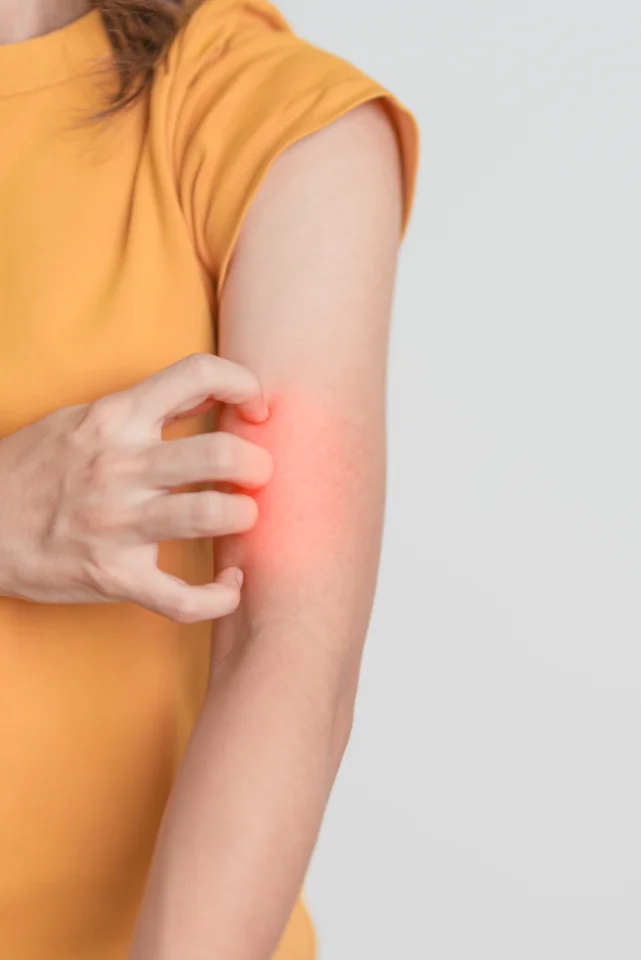






Post-Herpetic Neuralgia / Shingles
Expert Care for Shingles Pain & Nerve Damage
Post-Herpetic Neuralgia (PHN) is the most common complication of shingles, occurring when nerve tissue becomes damaged by the varicella-zoster virus — the same virus responsible for chickenpox. Even after the shingles rash disappears, the affected nerves may continue sending pain signals, causing burning, sensitivity, and discomfort that can disrupt sleep, appetite, and daily life. At iMsk & Spine Group, our team provides warm, patient-centered care to help relieve pain, improve nerve function, and support long-term recovery.
What Is Post-Herpetic Neuralgia?
Post-Herpetic Neuralgia develops when the shingles virus injures nerve cells. As the rash and blistering heal, these damaged nerves may “misfire,” sending ongoing pain or abnormal sensations.
The condition most commonly affects older adults but can occur in anyone who has had shingles. Early evaluation and treatment help reduce long-term discomfort and prevent the condition from becoming chronic.
Causes
Post-Herpetic Neuralgia is caused by:
- Varicella-zoster virus reactivation (shingles)
- Inflammation in nerve fibers
- Permanent or temporary nerve damage after the shingles rash heals
Certain factors increase the risk, including:
- Age over 50
- Severe shingles outbreaks
- Shingles involving the face
- Weakened immune system
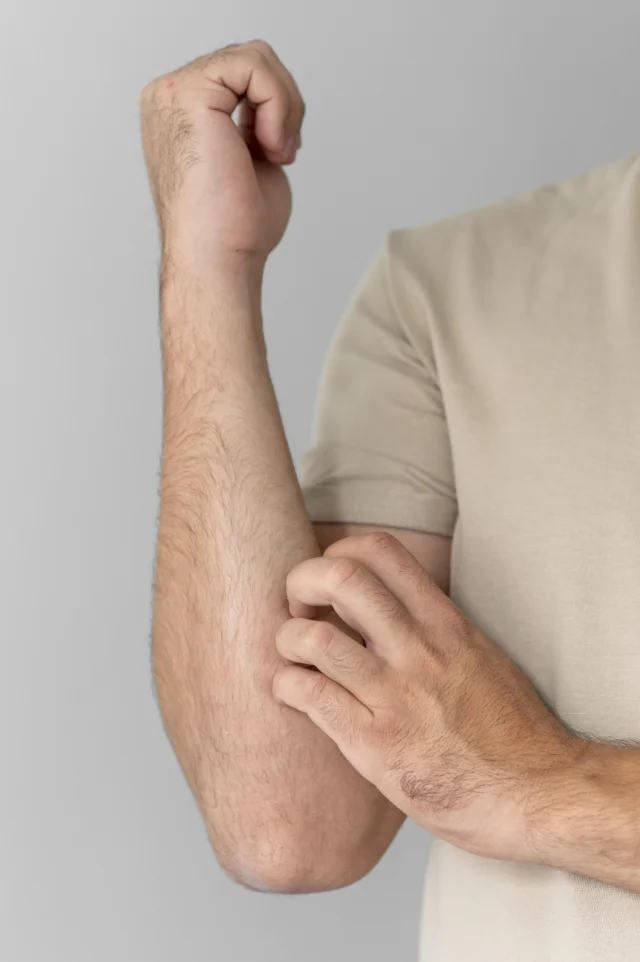
Symptoms of Post-Herpetic Neuralgia
Symptoms depend on the nerves involved but often include:
Pain Symptoms
- Burning or searing pain on the skin
- Electric-shock sensations
- Deep aching nerve pain
Skin Sensitivity
- Sensitivity to even light touch or clothing
- Persistent itching
- Numbness in the affected area
Neurological Symptoms
- In rare severe cases — weakness or paralysis in the affected region
- Tingling or “pins and needles” sensations
Impact on Daily Life
- Difficulty sleeping
- Loss of appetite
- Reduced concentration
- Emotional distress due to chronic pain
Because PHN can last for months or years without treatment, early care is essential.
How We Treat Post-Herpetic Neuralgia at iMsk & Spine Group
We take a comprehensive, multidisciplinary approach to managing PHN symptoms and promoting nerve healing.
1.Medications for Nerve Pain
- Nerve-calming medications
- Topical prescription creams
- Anti-inflammatory agents
- Antiviral therapy (if shingles is active)
2. Interventional Pain Management
- Nerve blocks to calm overactive pain pathways
- Targeted injections to reduce inflammation
- Advanced neuromodulation treatments when appropriate
3. Physical & Occupational Therapy
- Gentle desensitization exercises
- Mobility support
- Strengthening and functional training
- Skin and nerve protection education
4. Lifestyle & Symptom Management
- Sleep improvement strategies
- Stress management
- Nutritional support
- Long-term nerve-protection guidance
5. Ongoing Care & Monitoring
We closely monitor progress to ensure symptoms improve and adjust your treatment plan as needed.
Post-Herpetic Neuralgia FAQ
How long does Post-Herpetic Neuralgia last?
Can PHN be prevented?
Why is the area still painful even though the rash is gone?
Is PHN dangerous?
Can PHN affect more than one area?
Does stress make PHN worse?