





Neuropathic Pain Syndrome
Compassionate Treatment for Chronic Nerve Pain & Sensory Changes
What Is Neuropathic Pain Syndrome?
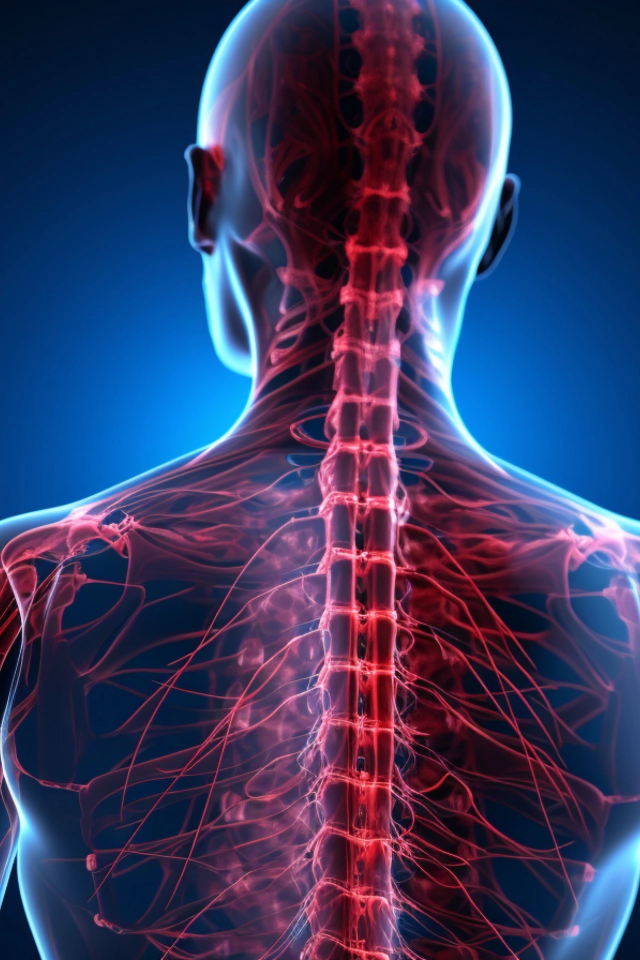
Neuropathic pain is caused by dysfunction in the nervous system, leading nerves to send exaggerated or distorted signals. Unlike typical pain — which responds to tissue injury — neuropathic pain originates from damaged nerves or altered nerve pathways.
When this pain becomes chronic and severe, it may develop into Neuropathic Pain Syndrome, a persistent condition that affects physical function, emotional health, and quality of life.
It can affect any part of the body but most often involves:
- Arms
- Hands
- Legs
- Feet
- Lower back
- Face
Common Causes of Neuropathic Pain
While CRPS most often develops after:
Neuropathic pain can arise from many different sources. Some of the most common include:
Medical Conditions
- Diabetes
- Autoimmune disorders
- Thyroid disorders
- Multiple sclerosis
- Shingles (postherpetic neuralgia)
Injury or Structural Causes
- Nerve compression or entrapment
- Spinal disorders
- Traumatic injuries
- Surgical nerve injury
External Factors
- Chemotherapy or radiation
- Alcohol or toxin exposure
- Vitamin deficiencies
Idiopathic Neuropathy
In some cases, no definitive cause is found. Even then, symptoms can be effectively managed with proper treatment.
Symptoms of Neuropathic Pain Syndrome
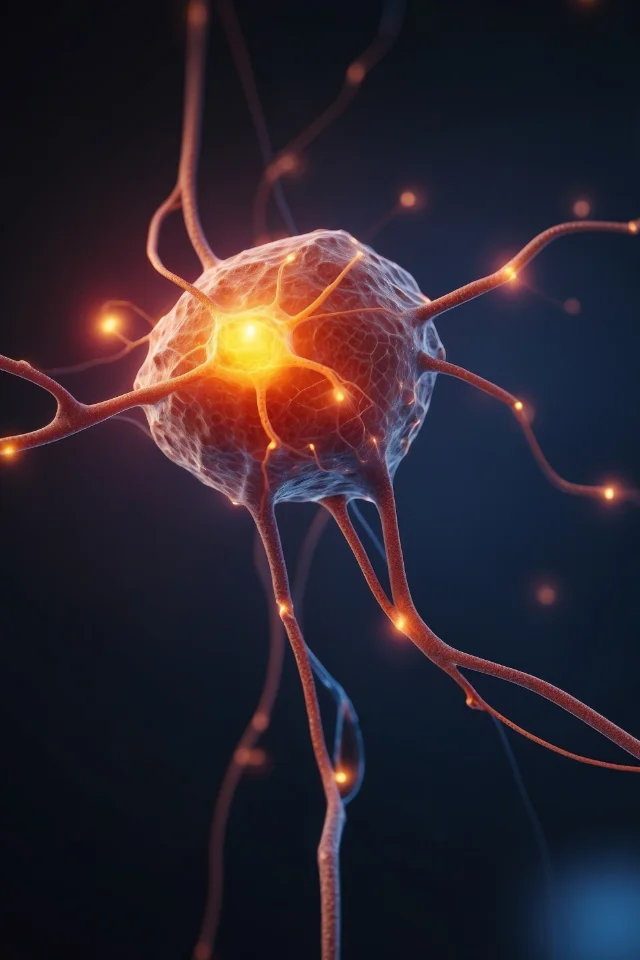
Symptoms depend on the nerves involved but often include:
Sensory Symptoms
- Burning or searing pain
- Tingling (“pins and needles”)
- Electric-shock sensations
- Numbness in limbs or extremities
- Increased sensitivity to touch (allodynia)
Motor Symptoms
- Muscle weakness
- Cramping
- Difficulty with fine motor tasks
- Balance issues
Autonomic Symptoms (in some cases)
- Temperature changes
- Sweating abnormalities
- Changes in skin appearance
Neuropathic pain may come and go — or persist continuously — and often worsens without proper evaluation and care.
How We Treat Neuropathic Pain Syndrome
At iMsk & Spine Group, treatment focuses on reducing symptoms, restoring function, and addressing underlying causes whenever possible.
1. Identifying the Root Cause
A thorough diagnostic process helps us determine what triggered the nerve dysfunction. This may include imaging, lab work, and nerve studies.
2. Symptom Relief
We utilize a combination of:
- Nerve-calming medications
- Anti-inflammatory strategies
- Topical therapies
- Advanced nerve-pain treatments
- Interventional procedures (when appropriate)
3. Rehabilitation & Function Restoration
- Physical therapy
- Occupational therapy
- Balance and mobility training
- Muscle strengthening
4. Lifestyle & Preventative Care
- Nutritional guidance
- Diabetes and metabolic management (when applicable)
- Ergonomic and activity modification
- Education on nerve protection
5. Ongoing Support
Chronic neuropathic pain can be emotionally draining. We provide ongoing guidance, monitoring, and compassionate care throughout your recovery journey.
Neuropathic Pain Syndrome FAQ
How is neuropathic pain different from regular pain?
Why does neuropathic pain feel like burning or electric shocks?
Can neuropathic pain improve?
Do I need nerve testing?
Is neuropathic pain permanent?
What triggers neuropathic pain flare-ups?