




Peripheral Neuropathy
Relief From Tingling, Burning & Nerve Damage With Specialized Care
What Is Peripheral Neuropathy?
Peripheral Neuropathy occurs when the peripheral nerves malfunction due to injury, disease, metabolic issues, or chemical imbalances. This damage disrupts how nerves communicate with the brain and spinal cord, leading to altered sensation, muscle weakness, and sometimes pain.
The condition can affect one nerve, a group of nerves, or multiple areas throughout the body, including:
- Hands
- Arms
- Legs
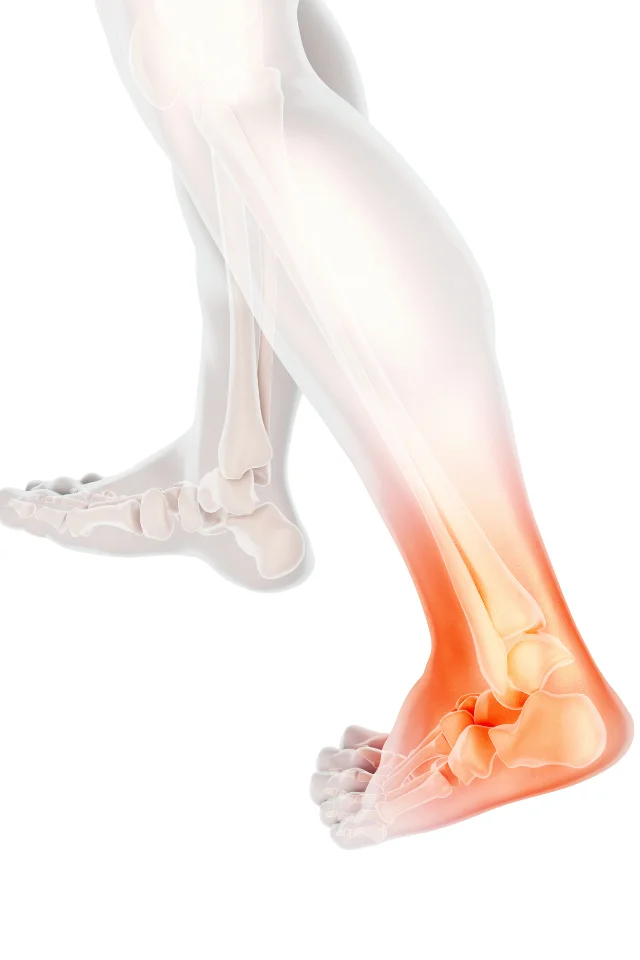
- Feet
Because neuropathy has many different causes, proper evaluation is essential to provide effective treatment and prevent long-term complications.
Common Causes
Peripheral Neuropathy has a wide range of potential triggers, including:
Most Common Cause
- Diabetes — High blood sugar damages nerve fibers over time, making diabetic neuropathy the leading cause in the U.S.
Other Causes
- Chemotherapy-related nerve injury
- Toxin buildup (from alcohol, medications, or environmental exposure)
- Vitamin deficiencies (especially B-vitamin deficiencies)
- Autoimmune disorders
- Thyroid dysfunction
- Kidney disease
- Infections
- Genetic conditions
- Physical injuries or nerve entrapment
At iMsk & Spine Group, we work closely with each patient to identify the underlying cause and create a customized treatment plan.

Symptoms of Peripheral Neuropathy
Symptoms vary depending on which nerves are affected — sensory, motor, or autonomic — but often include:
Sensory Symptoms
- Tingling (“pins and needles”)
- Burning or electric pain
- Numbness in the hands, feet, or limbs
- Heightened sensitivity to touch
- Loss of balance or coordination
Motor Symptoms
- Muscle weakness
- Difficulty lifting the foot or gripping objects
- Cramping
- Muscle atrophy in advanced cases
Autonomic Symptoms (in some types of neuropathy)
- Dizziness
- Abnormal sweating
- Temperature regulation issues
Because symptoms often begin gradually, early diagnosis is important to slow progression.
How We Treat Peripheral Neuropathy
Treatment at iMsk & Spine Group focuses on:
1. Identifying the Underlying Cause
We evaluate your full health picture — medical history, lab work, lifestyle factors, and medications — to determine what triggered the neuropathy.
2. Reducing Symptoms
- Nerve-calming medications
- Anti-inflammatory treatments
- Advanced nerve pain therapies
- Interventional procedures when appropriate
- Therapies to reduce burning, tingling, and discomfort
3. Restoring Function
- Physical therapy to improve strength and balance
- Occupational therapy to help with hand or arm function
- Gait and mobility training
- Home exercise programs tailored to your needs
4. Preventing Progression
- Diabetes and blood sugar management
- Nutritional guidance
- Lifestyle adjustments
- Education on nerve protection techniques
Our approach is supportive, comprehensive, and always centered around your long-term well-being.
Peripheral Neuropathy FAQ
Can Peripheral Neuropathy be reversed?
Why are my symptoms worse at night?
Many patients experience increased nerve sensitivity at night due to reduced distractions, decreased circulation, and pressure changes during sleep.
Does neuropathy only affect the feet?
What tests help diagnose neuropathy?
How long does treatment take to work?
Can exercise help with neuropathy?