




Tarsal Tunnel Syndrome
Restore Comfort in Your Feet With Specialized Tarsal Tunnel Treatment
What Is Tarsal Tunnel Syndrome?
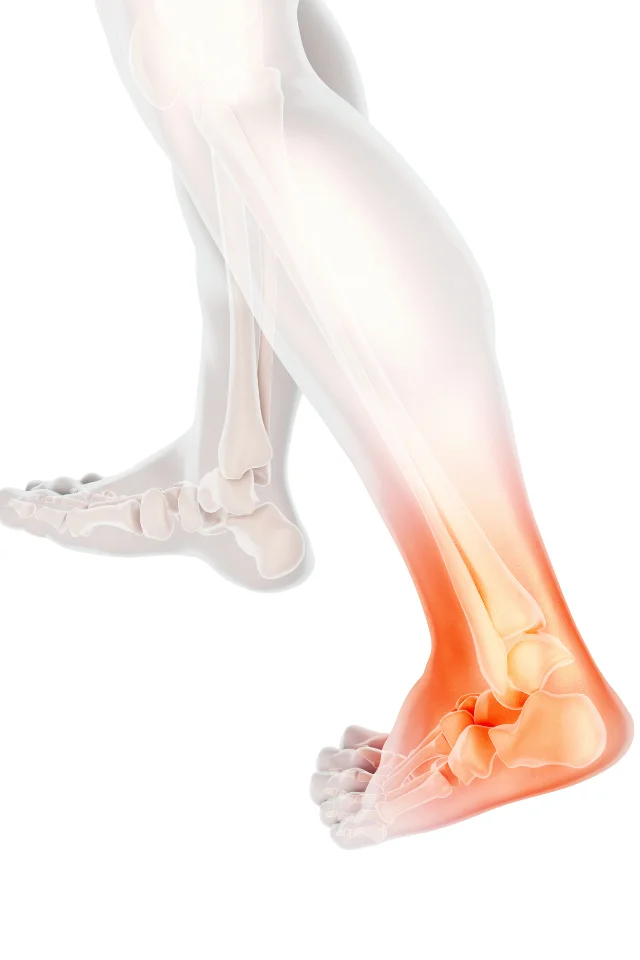
The tarsal tunnel is a tight space made up of bone and ligament structures. When swelling, inflammation, or structural changes reduce the available room in this tunnel, the tibial nerve becomes compressed. This pressure interferes with normal nerve function and can progressively worsen if untreated.
Many cases develop gradually, while others follow ankle injuries, swelling, or repetitive strain. Because symptoms are often mistaken for plantar fasciitis or neuropathy, proper diagnosis is essential.
Common Causes
Tarsal Tunnel Syndrome may be triggered by:
- Flat feet or fallen arches
- Ankle sprains or injuries
- Arthritis or joint inflammation
- Tendonitis
- Varicose veins pressing on the nerve
- Diabetes-related nerve sensitivity
- Posture or gait abnormalities
- Repetitive standing or walking
At iMsk & Spine Group, we evaluate the root cause to build the most effective treatment plan.

Symptoms of Tarsal Tunnel Syndrome
Symptoms often mirror those of carpal tunnel but occur in the ankle and foot:
Sensory Symptoms
- Burning sensations in the foot or arch
- Tingling or “pins and needles”
- Numbness in the sole, heel, or toes
- Electric-shock sensations
Pain Symptoms
- Sharp or shooting pain in the ankle or bottom of the foot
- Pain that worsens with standing, walking, or activity
- Symptoms that may worsen at night
Motor Symptoms
- Weakness in foot muscles (in advanced cases)
- Difficulty pushing off the foot during walking
How We Treat Tarsal Tunnel Syndrome
We provide comprehensive, non-surgical treatment options focused on relieving nerve pressure and reducing inflammation.
Conservative Treatments
- Ice or heat therapy
- Anti-inflammatory medications
- Ultrasound therapy or manual therapy techniques
Anti-Inflammatory Measures
- Targeted Injections: Reduce inflammation and relieve pressure on the median nerve.
- Ultrasound-Guided Treatments: For precise, effective relief.
Interventional Treatments
- Targeted nerve or corticosteroid injections to reduce swelling and relieve pressure.
- Ultrasound-guided procedures for enhanced precision.
Advanced Care Options
If symptoms persist or nerve damage progresses, we coordinate further evaluation for advanced interventions. Our team supports you through every step of the healing process.
Tarsal Tunnel Syndrome FAQ
Is Tarsal Tunnel Syndrome similar to Carpal Tunnel Syndrome?
Yes. Both conditions involve nerve compression, but Tarsal Tunnel affects the tibial nerve in the ankle rather than the median nerve in the wrist.
Can Tarsal Tunnel Syndrome heal without surgery?
How do I know if my foot pain is from Tarsal Tunnel Syndrome or something else?
What makes symptoms worse?
Is Tarsal Tunnel Syndrome more common in people with flat feet?
How long does recovery take?